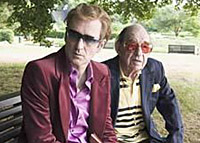
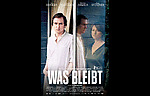
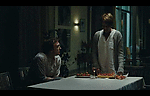
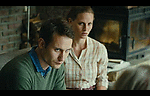
Following a heart attack, crooner Alexander Ludwig is sent to a rehab hospital. This wouldn′t be to bad, but since his near-death experience, Alexander is also partly amnesiac, which leads to ab...
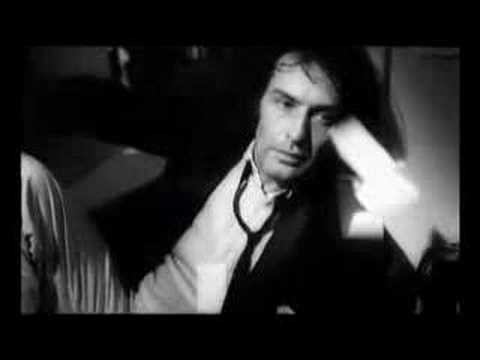
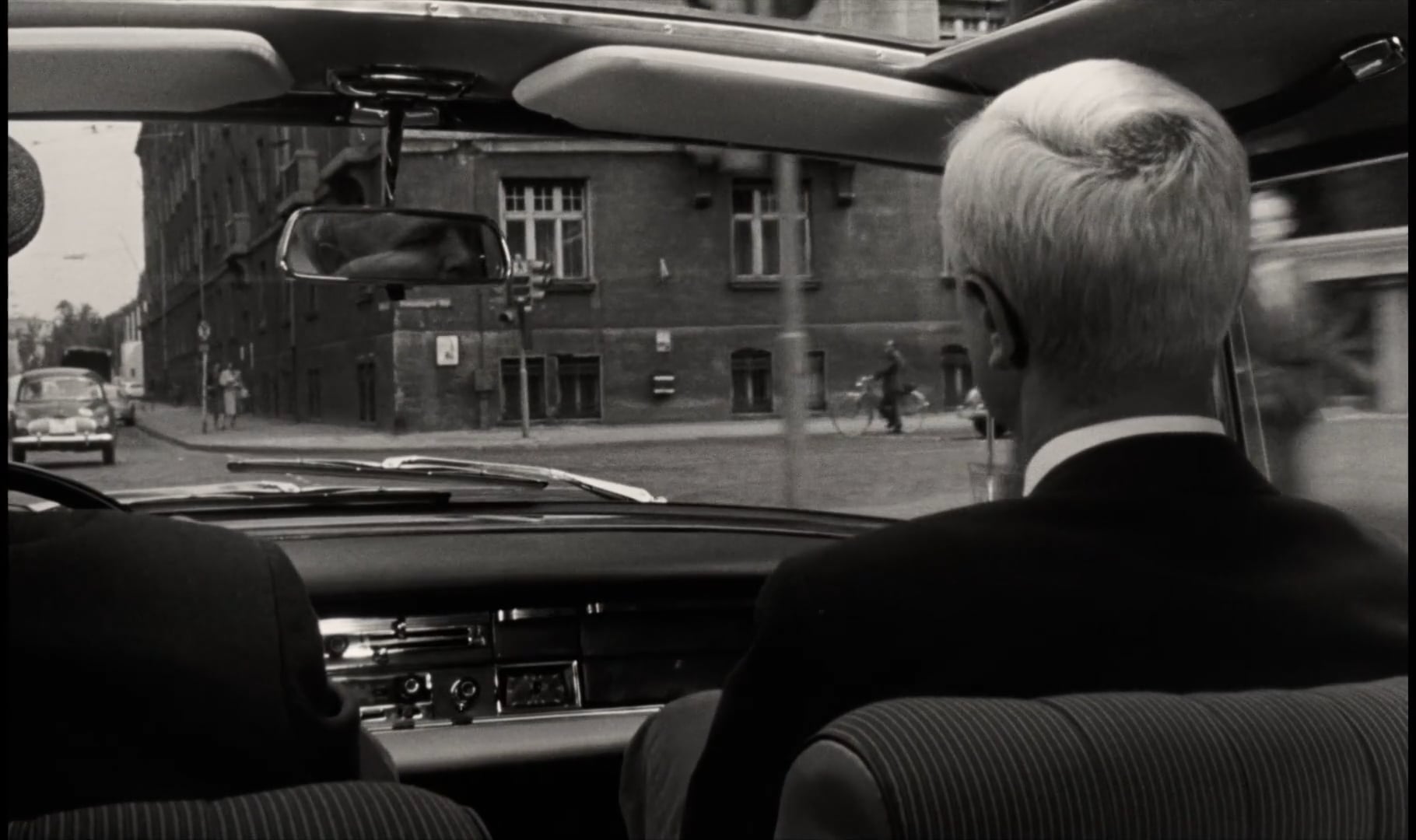
The State of ThingsWim Wenders' black and white film – which was awarded the Grand Prize at the Venice Film Festival – belongs to that rich subgenre of New German Cinema which focuses on filmmakin...
The first longterm documentary on a German pro-footballer: Between 2003 and 2011, director Aljosha Pause followed young player Thomas Broich, who at the age of 22 was considered one of Germany′s...
The video shows the first five minutes of the film.
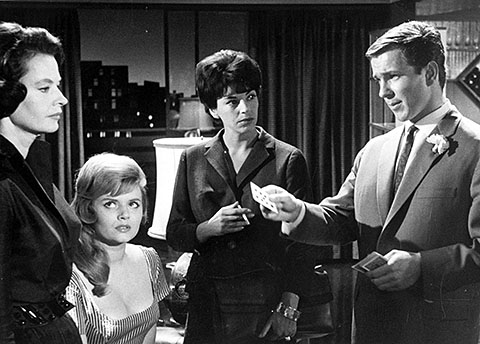
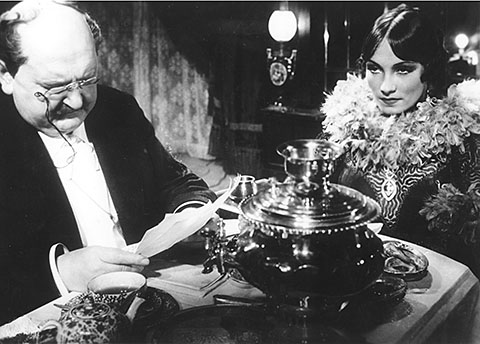
"Mörderspiel" was digitized by Friedrich-Wilhelm-Murnau-Stiftung as part of the film heritage funding program "Förderprogramm Filmerbe" (FFE)...
The video shows the first five minutes of the film. Films from the National-Socialist period must be considered in the context of state-influenced production and reception. Further informations »
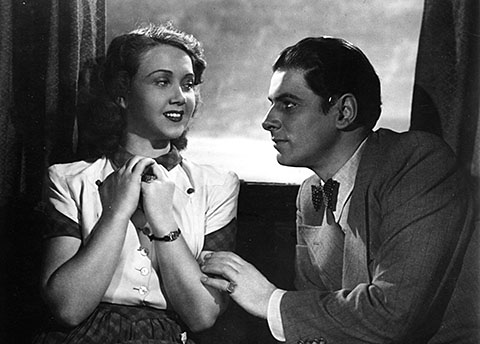
The video shows the first five minutes of the film.
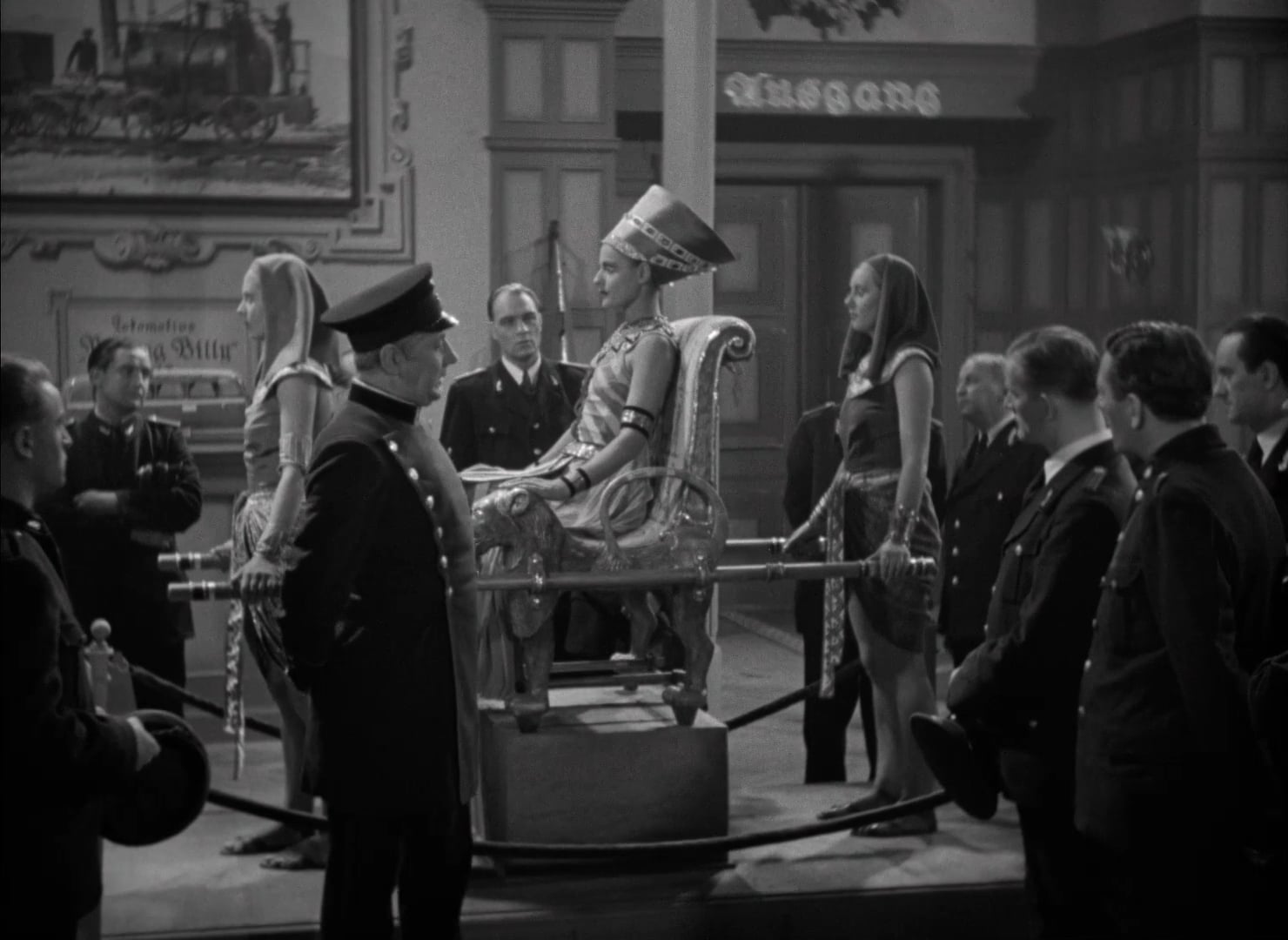
"Die Stunde, die du glücklich bist" was digitized by Friedrich-Wilhelm-Murnau-Stiftung as part of the film heritage funding program "Förderpr...
Sebastian Zimmler, Lars Eidinger (from left to right)
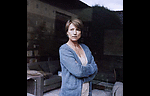
Corinna Harfouch
Egon Merten, Lars Eidinger (from left to right)
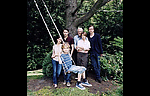
Picco von Groote, Sebastian Zimmler, Ernst Stötzner, Corinna Harfouch, Lars Eidinger (in the back from left to right), Egon Merten (front)
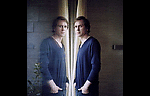
Lars Eidinger
German movie poster
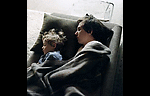
Lars Eidinger, Corinna Harfouch
Sebastian Zimmler, Picco von Groote
The film "Steuerlos" was permitted by the censorship office in Berlin with age restriction (only for adults 18 years of age or older) and cuts (several scenes were banned).
The production company "National-Film A.G., Berlin" applied against the ban (for young people) of the film "Der rote Pirat" at the censorship headquarter in Berlin. The application was rejected.
The production company "Boston Film Co G.m.b.H., Berlin" applied against the ban of the film "Das verlorene Ich" at the censorship headquarter in Berlin. The application was rejected.
The film was permitted to young people under 16 years. There is added a card of the Austrian ministry of trade, which says, that for the screening of this film an import permission is not necessary.
The pictures "Protest Streik der Grubenarbeiter" (protest strike of colliers)and "Pariser Studentenbräuche" (customs of Parisian students) had to be removed.The newsreel was permitted to young people...
The film "Lockendes Gift" was permitted by the censorship office in Berlin with age restriction (only for adults 18 years of age or older) and cuts (four scenes were banned).
The production company "Nord-Film G.m.b.H., Hamburg" applied against the ban of the film "Die Todesflieger von San Francisco" at the censorship headquarter in Berlin. The application was rejected.
The film "Lockvögel" was permitted by the censorship office in Berlin with age restriction (only for adults 18 years of age or older) and cuts (three scenes were prohibited).