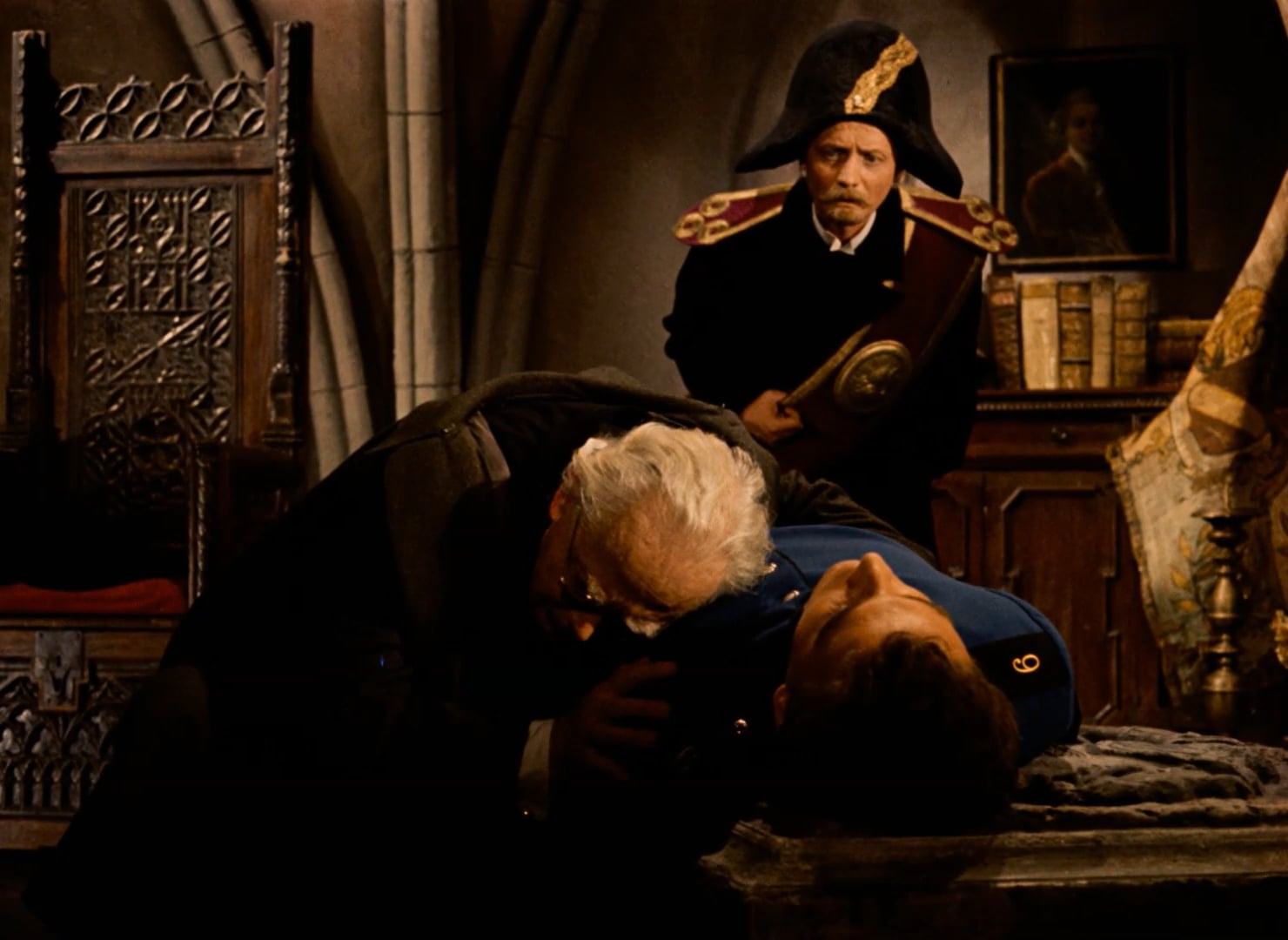
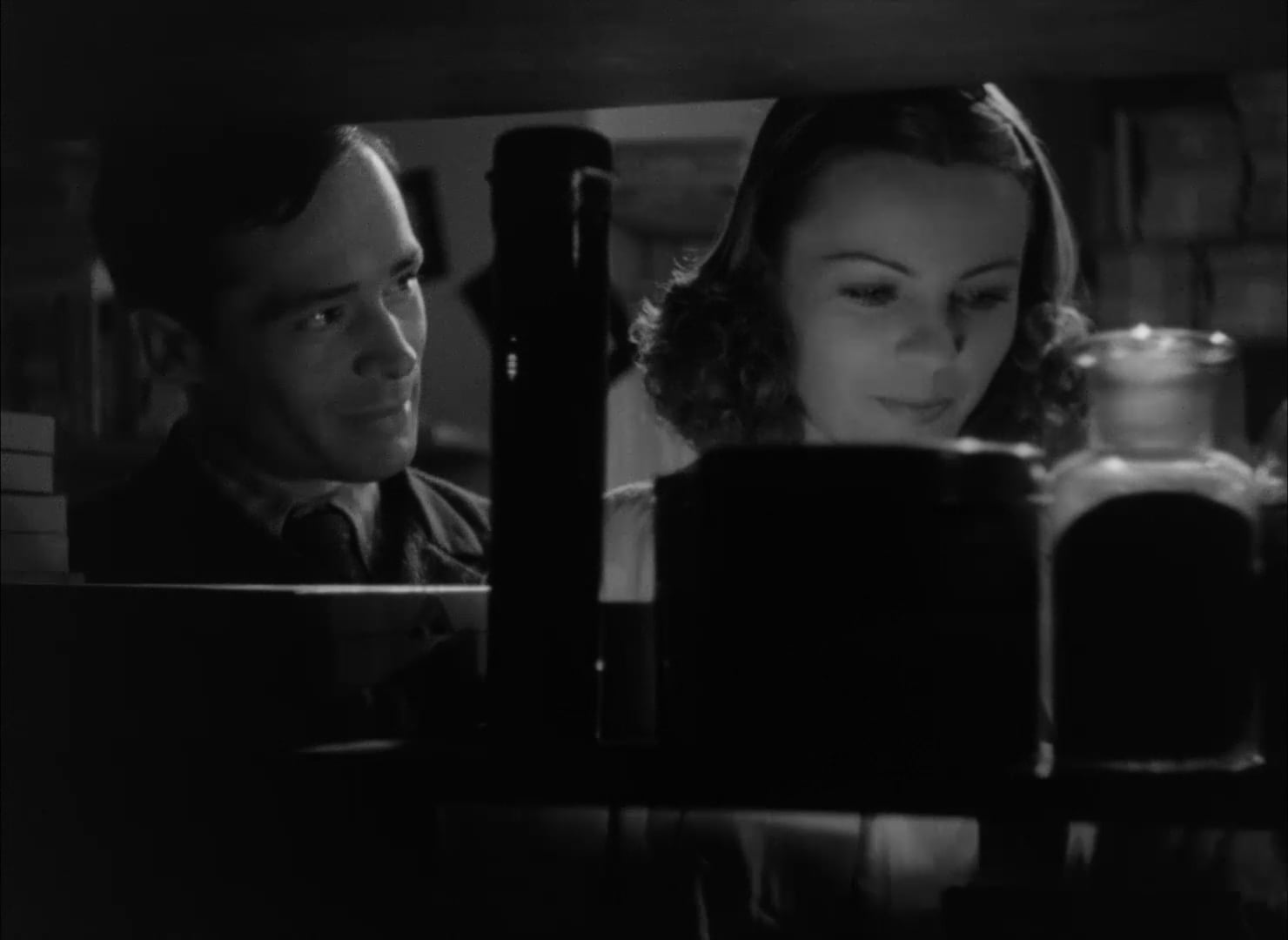
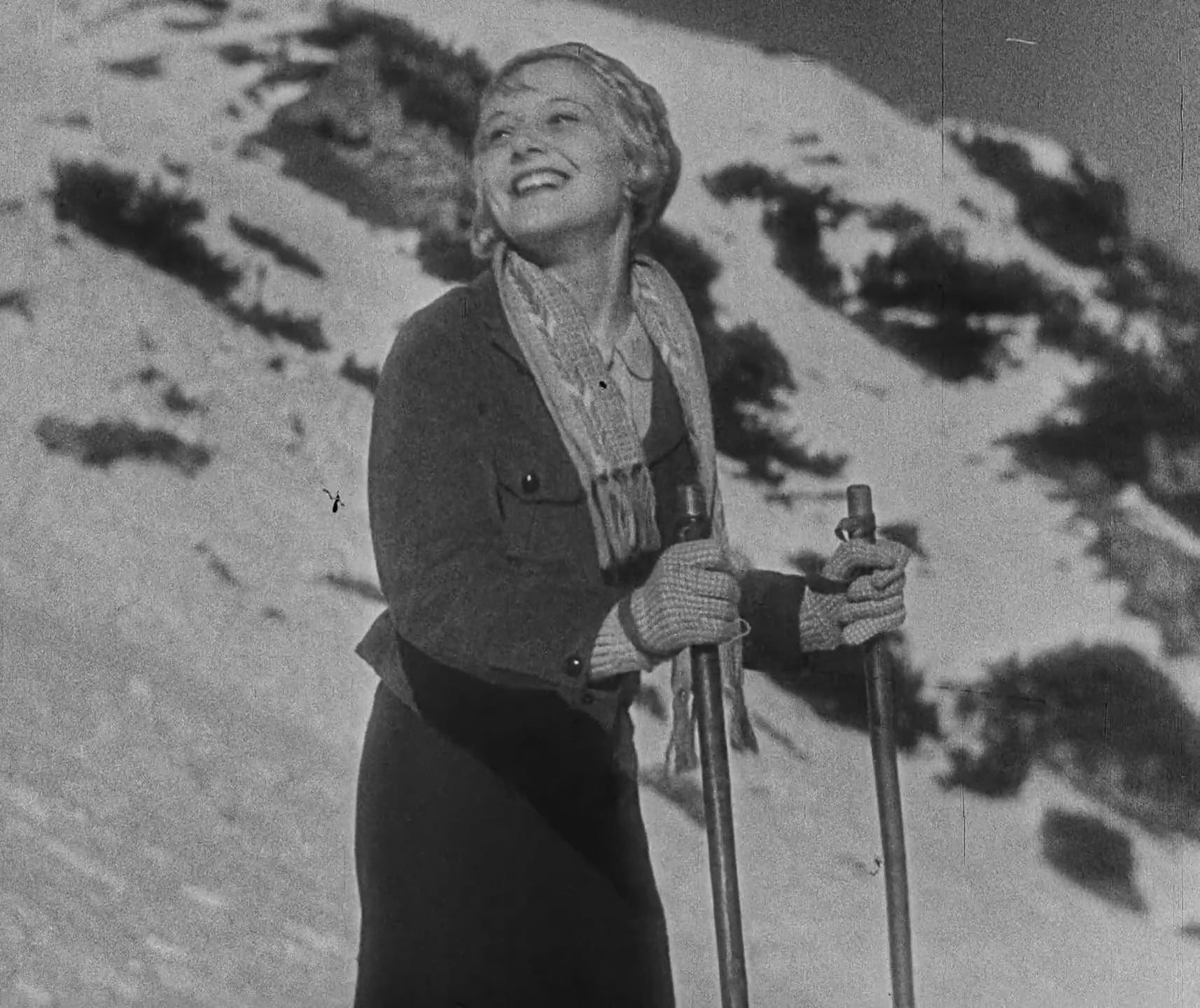
The video shows the first five minutes of the film. Film synopsis: In the year 1913, a young man visits the cathedral in Mainz during carnival in order to confess. But before he can speak, he is stabb...
The video shows the first five minutes of the film.
"Wo ist Coletti?" was digitized by Friedrich-Wilhelm-Murnau-Stiftung as part of the film heritage funding program "Förderprogramm Filmerbe" (F...
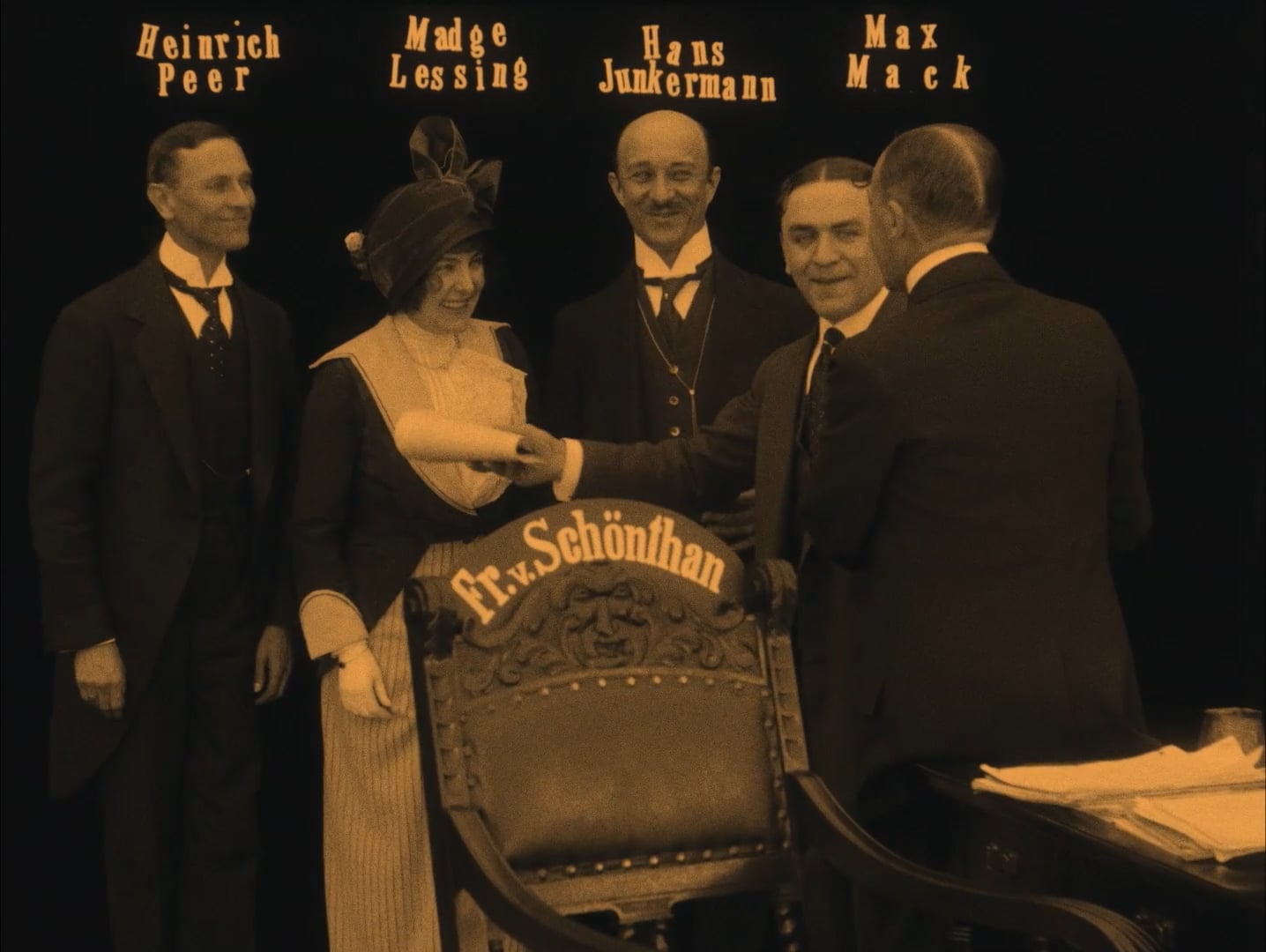
The video shows the first five minutes of the film. Film synopsis: A dramatic love triangle set against a futuristic adventure backdrop: Ballsy pilot Ellissen is an avid supporter of his old friend Dr...
The video shows the first five minutes of the film.
"Das gestohlene Gesicht" was digitized by Friedrich-Wilhelm-Murnau-Stiftung as part of the film heritage funding program "Förderprogramm Filme...
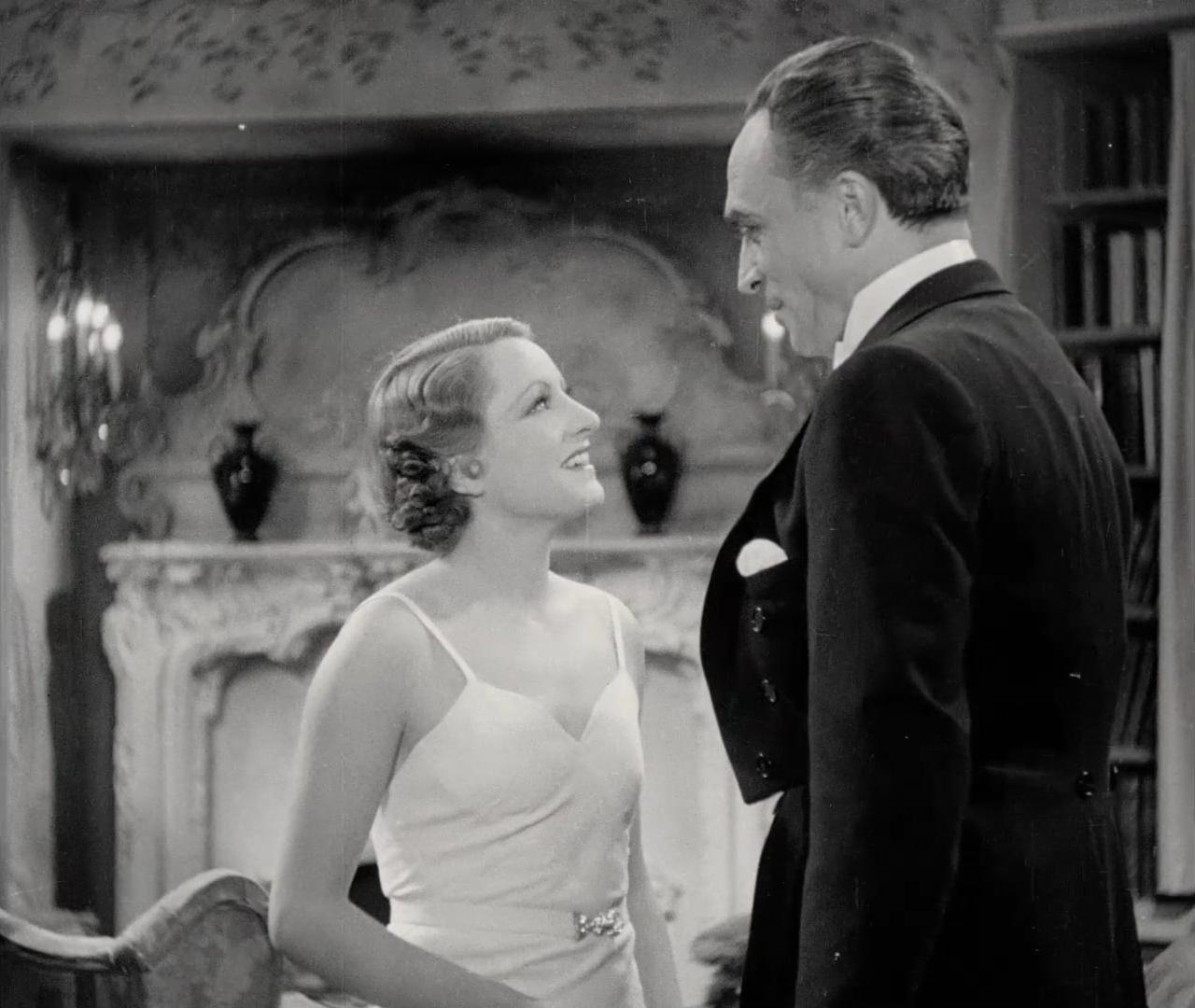
The video shows the first five minutes of the film.
"Alle Wege führen heim" was digitized by Friedrich-Wilhelm-Murnau-Stiftung as part of the film heritage funding program "Förderprogramm Filme...
The video shows the first five minutes of the film. Films from the National-Socialist period must be considered in the context of state-influenced production and reception. Further informations »
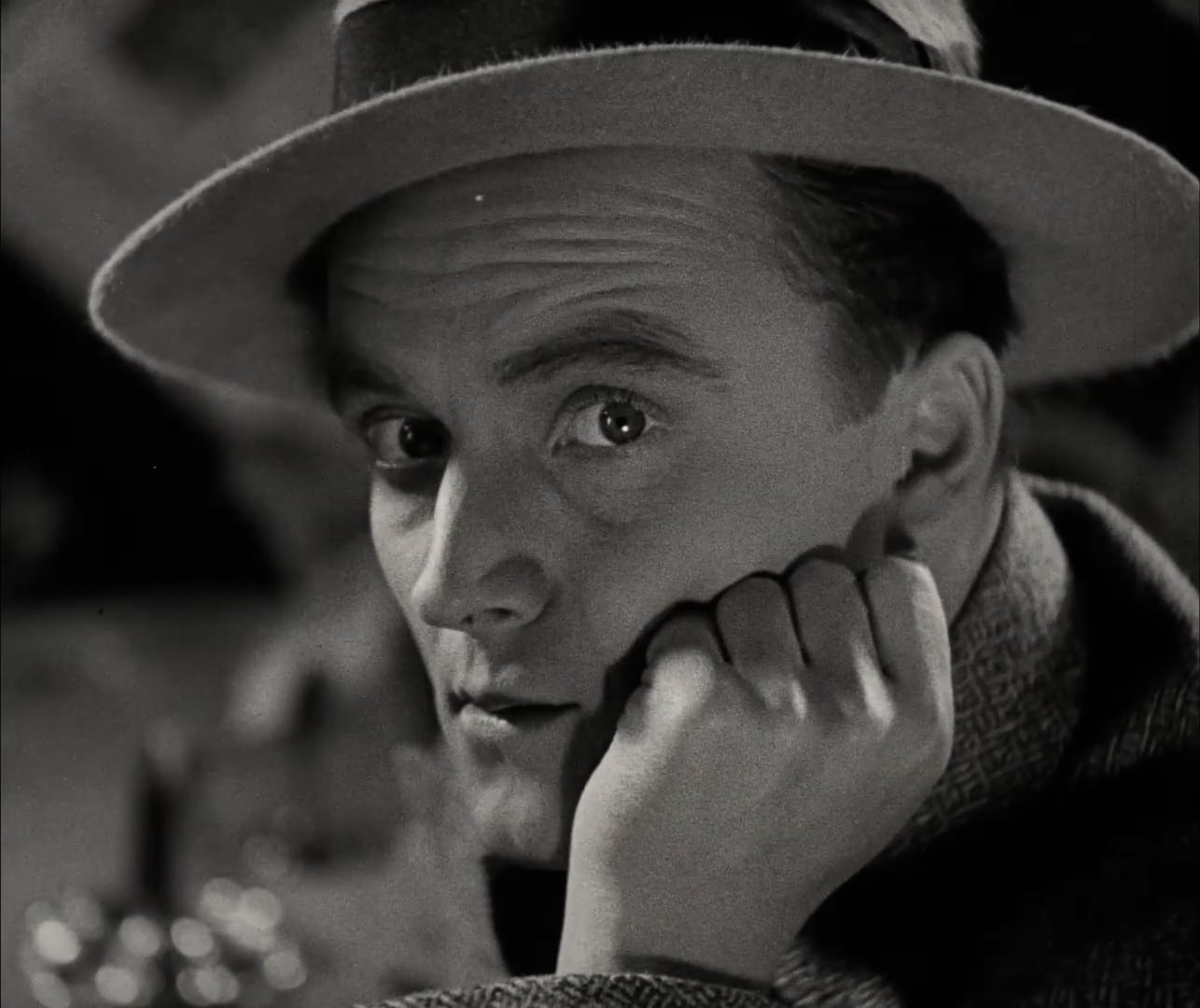
The video shows the first five minutes of the film. Film synopsis: The musical comedy "Die verliebte Firma" ("The Company′s in Love") carefully examines its own métier: During the shooting of a Ber...
The video shows the first five minutes of the film.
"Quick" was digitized by Friedrich-Wilhelm-Murnau-Stiftung as part of the film heritage funding program "Förderprogramm Filmerbe" (FFE) in 202...
"Morgen, Findus, wird"s was geben" (2005/06)
Sandra Nettelbeck while shooting "Was uns nicht umbringt" (2018)
"Schilf - Alles, was denkbar ist, existiert" (2011/12)
Hans-Christian Schmid on the set of "Was bleibt" (2012)
Holger Haase on the set of "Da geht noch was" (2012/13)
Ava Petsch while shooting "Was man von hier aus sehen kann" (2022)
German movie poster of "Sie nannten ihn Krambambuli" ("Was geschah auf Schloss Wildberg", 1971/72)
a part of the feast was also a theatre performance
The film "Wenn das Herz in Haß erglüht" was permitted by the censorship office in Berlin with age restriction (only for adults 18 years of age or older) and cuts (the term "moulin rouge" and three s...
Following part had to be removed:Picture "Hitlerjugend sammelt für das WHW" (Hitlerjugend collects for the WHW) had to be shorted (parade of the German armed forces).The film was permitted to young p...
The scene, where the ball makes a slip, the audience screams with shock and leaves the seats hsd to be removed.After this cut the film was permitted to young people under 16 years.
The production company "Deutsche Vereins-Film A.G., Berlin" applied against the ban of the film "Blaue Jungen - blonde Mädel" at the censorship headquarter in Berlin. The application was rejected.
The production company applied against the ban of the film "Die Rätsel Afrikas - III. Teil - Feuer, Schwert und Galgen" at the censorship headquarter in Berlin. The application was rejected.
The film "Šerife, pošta v nebezpečí" was qualified for public screening - ban for young people; exclusion of scenes of affray in the 2nd and 3rd reel.
Ministry of Interior issued the registration card for the film “Dobrý voják Švejk”. The film was qualified for public screening – ban for young people, exclusion of scenes and title...
The production company "Vaterländischer Filmvertrieb G.m.b.H., Berlin" applied against the ban of the film "Die Ruhrschande" at the censorship headquarter in Berlin. The application was rejected.