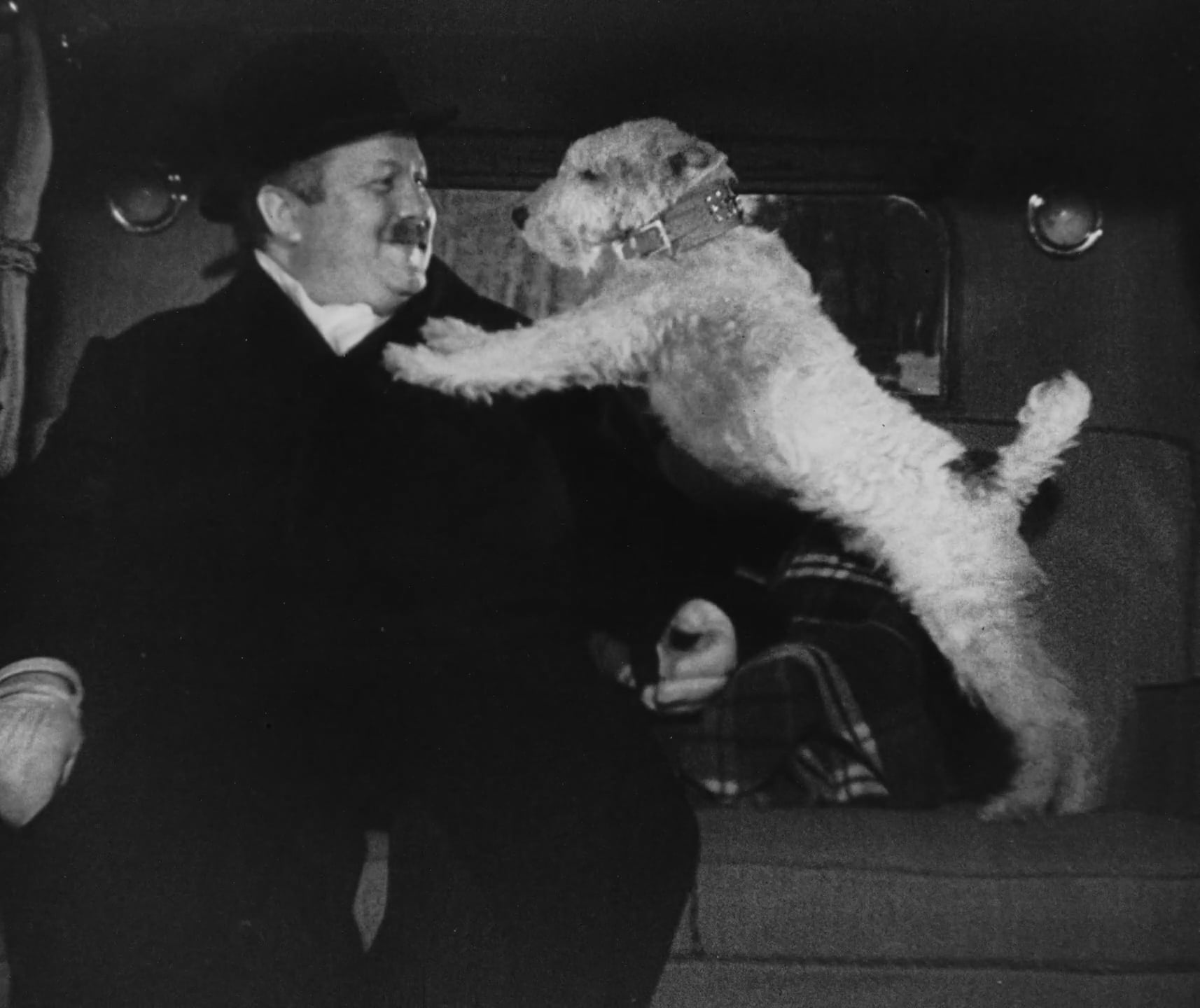
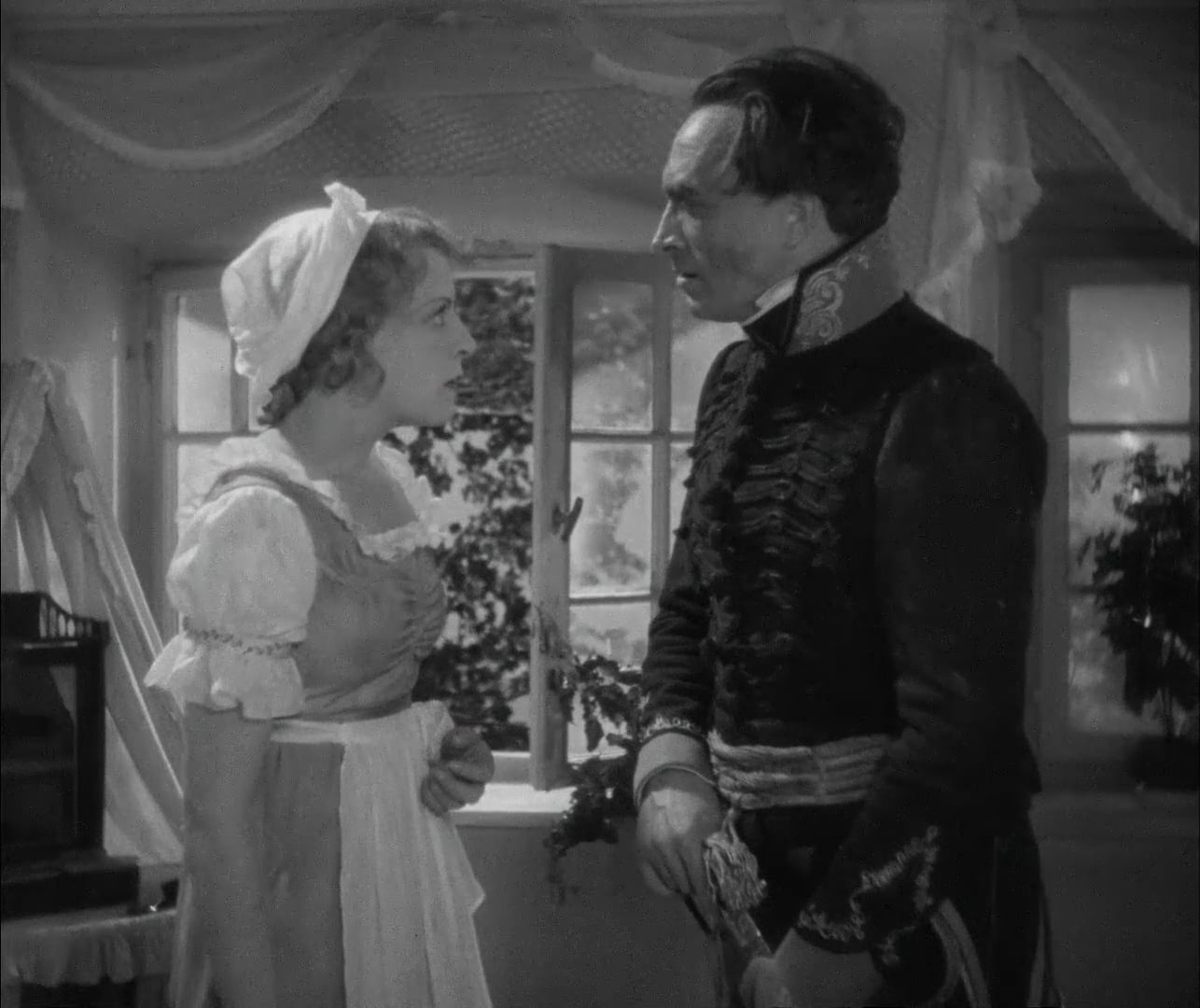
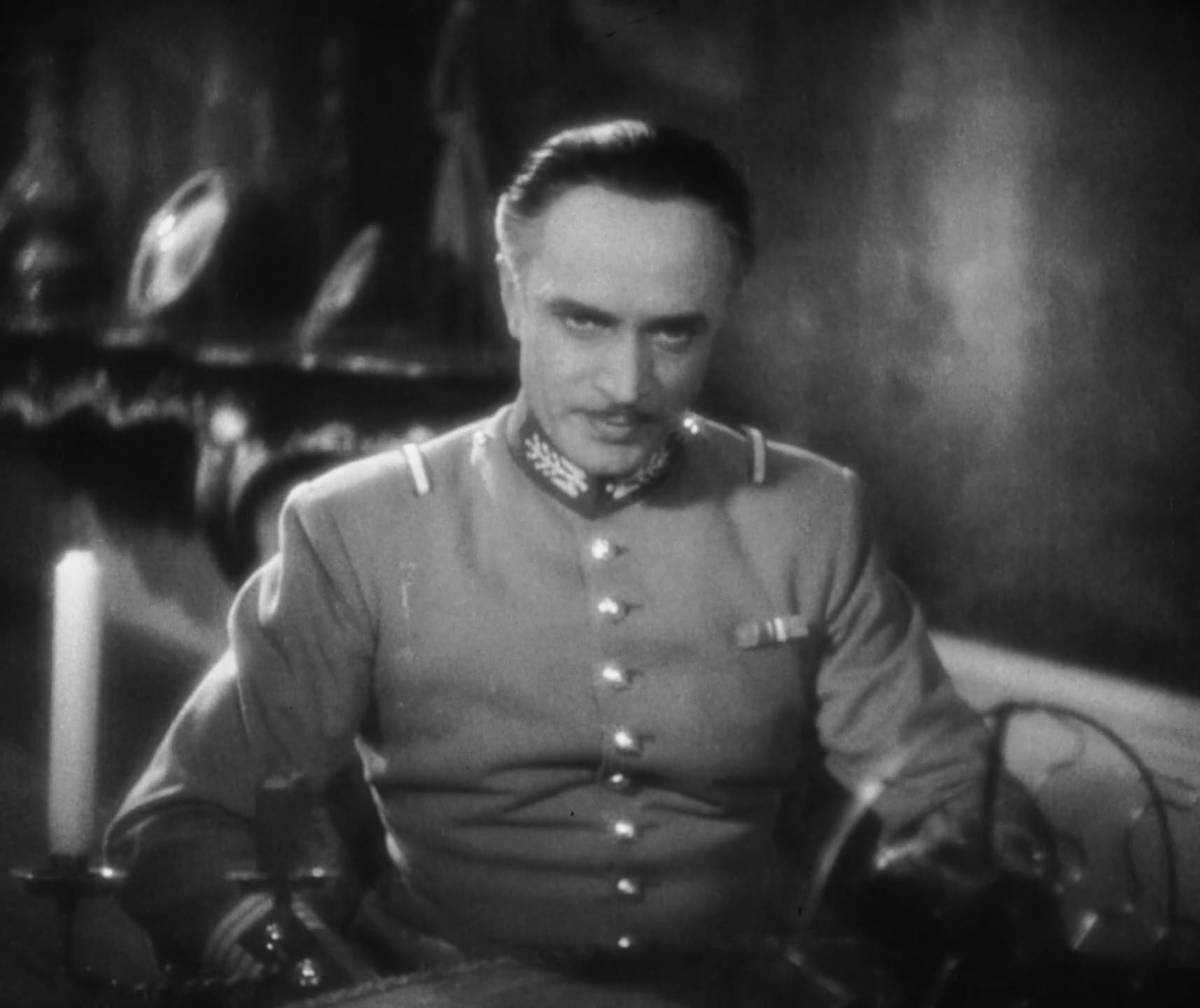
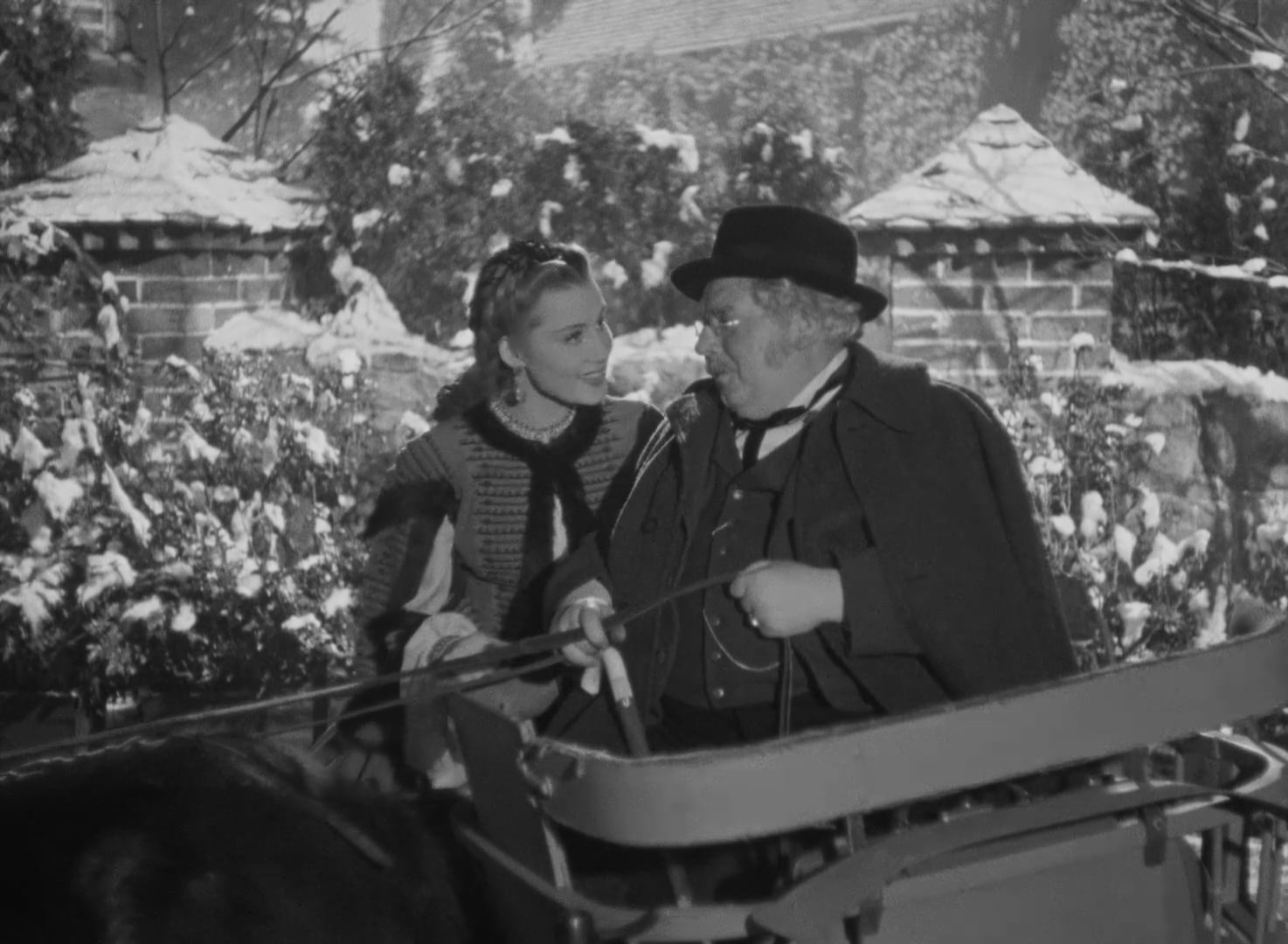
The video shows the first five minutes of the film. Films from the National-Socialist period must be considered in the context of state-influenced production and reception. Further informations »
The video shows the first five minutes of the film.
"Der schwarze Husar" was digitized by Friedrich-Wilhelm-Murnau-Stiftung as part of the film heritage funding program "Förderprogramm Filmerbe"...
The video shows the first five minutes of the film.
"Der Mann, der den Mord beging" was digitized by Friedrich-Wilhelm-Murnau-Stiftung as part of the film heritage funding program "Förderprogram...
The video shows the first five minutes of the film. Films from the National-Socialist period must be considered in the context of state-influenced production and reception. Further informations »
The video shows the first five minutes of the film.
"Nie wieder Liebe" was digitized by Friedrich-Wilhelm-Murnau-Stiftung as part of the film heritage funding program "Förderprogramm Filmerbe" (...
The video shows the first five minutes of the film.
"Das Flötenkonzert von Sanssouci (stumme Fassung)" was digitized by Friedrich-Wilhelm-Murnau-Stiftung as part of the film heritage funding pro...
The video shows the first five minutes of the film. Films from the National-Socialist period must be considered in the context of state-influenced production and reception. Further informations »
Sebastian Zimmler, Lars Eidinger (from left to right)
Corinna Harfouch
Egon Merten, Lars Eidinger (from left to right)
Picco von Groote, Sebastian Zimmler, Ernst Stötzner, Corinna Harfouch, Lars Eidinger (in the back from left to right), Egon Merten (front)
Lars Eidinger
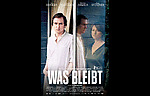
German movie poster
Lars Eidinger, Corinna Harfouch
Sebastian Zimmler, Picco von Groote
Following parts had to be removed:1) preparations of the excutioner with the cord2) scene, where the hung man is shownThe film was interdicted to young people.
The production company "National-Film A.G., Berlin" applied against the ban of the film "Glanz und Elend des Apachen" at the censorship headquarter in Berlin. The application was rejected.
The production company "Richard Oswald Produktion G.m.b.H., Berlin" applied against the ban of the film "Das Haus zur roten Laterne" at the censorship headquarter in Berlin. The application was reject...
The chairman applied for revocation of permissionof the film "Die Weihe des Ehrenmals für das Garde-Fuß-Art.Regt. zu Spandau am 28. September 1924" at the censorship headquarter in Berlin. The appli...
The film was permitted for young people under 16 years, except for four scenes which included fights and attacks on women, which were - from my point of view - cut for political reasons.
The production company "National-Film A.G." applied against the ban of the film "Die Geliebte auf dem Königsthron (Draga Maschin)" at the censorship headquarter in Berlin. The application was rejecte...
Film distributing company applies for censoring of the film "Jsem děvče s čertem v těle". The film was qualified for public screening - ban for young people, exclusion of scenes and dialogues.
2 scenes had to be removed:1) 5th act, title 7: scene inside the chest2) end of the 8th act: silhouette of MarionAfter these cuts the film was permitted to young people under 16 years.