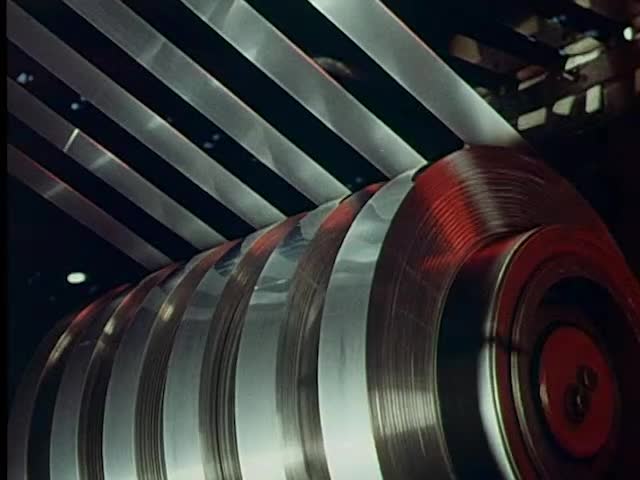
How the aluminium industry was established in the Highlands.
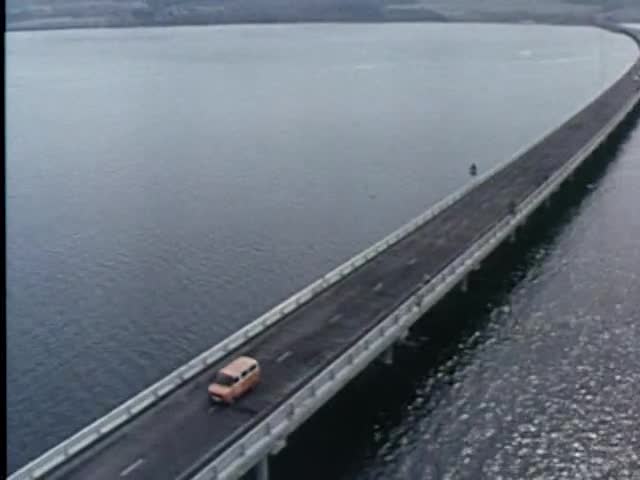
How a bridge was built over the Cromarty Firth and how an environment was preserved for migratory seabirds.
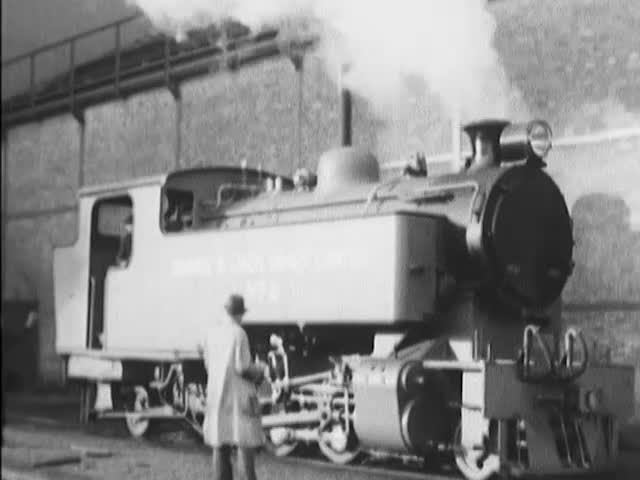
Promotional film for North British Locomotive Company, Glasgow with coverage on how the locomotive "Bartholomew Diaz" was manufactured and sent to South Africa. It was named by the South African Mini...
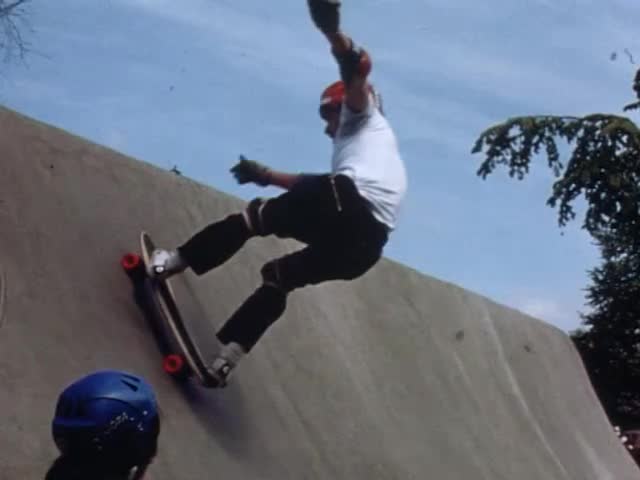
A study of skateboarders in Kelvingrove Park, Glasgow. The old skating park was dismantled a few years after the making of this film, however a replacement park was opened on the same site in 2004.
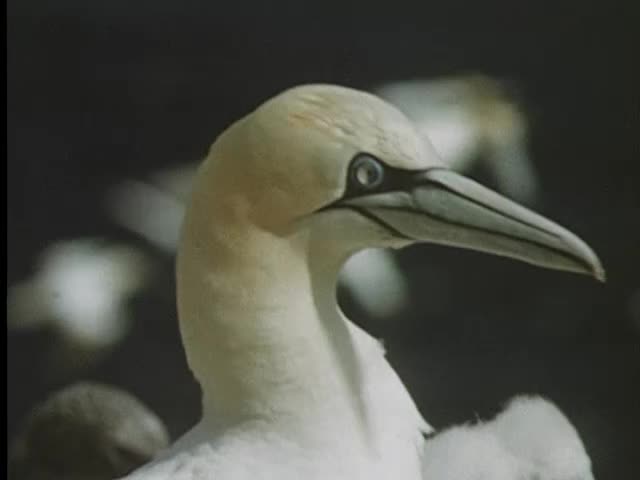
Gannet hunting on the island of Sula Sgeir. [When this film was made the film-maker was the first non Ness man (Ness being an area of the Island of Lewis) to be allowed to join the trip].
The activities and operation of the Aberdeen Children's Theatre which was the first Civic Children's Theatre to be opened in Britain. The theatre was operated by the Department of Speech Therapy.
Choreographer Sophie Laplane was commissioned to create a work in a week, as part of Scottish Ballet's 2019 Digital Season.
An extract featuring the Braemar Highland Games from the film "To Grace the Occasion" which was produced for Aristoc.
Corinna Harfouch, Ernst Stötzner
Lars Eidinger, Corinna Harfouch, Egon Merten, Ernst Stötzner (from left to right)
"Was tun" (2020)
German movie poster of "Was tun" (2020)
"Was tun" (2020)
"Was tun" (2020)
"Was tun" (2020)
"Was tun" (2020)
Following titles had to be cut out: 4th act number 80-85, 5th act number 16-17. After this shortage the film was permitted to young people under 16 years.
The production company "Wirtschaftsverband für Handel und Industrie G.m.b.H., Berlin" applied against the ban of the film "Illusion zu Dritt" at the censorship headquarter in Berlin. The application ...
The production company "Deutsche Vereins-Film A.G., Berlin" applied against the ban of the film "Die verfluchte Stadt" at the censorship headquarter in Berlin. The application was rejected.
The picture after the taking of Tolosa, where some fortification was sent to te front: the scene, where several soldiers "present their Red-Front compliments (Rot-Front-Gruß) had to be removed.
The title changed from "Der k. u. k. Feldmarschall" to "Der k. u. k. Feldmarschall (Der falsche Feldmarschall)" on 19th December 1930.There was not any kind of restriction noted.
The production company "Artur Hohenberg, Filmvertrieb, Berlin" applied against the ban of the film "Der siebente Schleier" at the censorship headquarter in Berlin. The application was rejected but som...
The film "Der Zirkuskönig - Die brennende Quelle - 1. Episode" was permitted by the censorship office in Berlin with age restriction (only for adults 18 years of age or older).
The chairman applied for revocation of permission of the film "Ein gefährliches Abenteuer" at the censorship headquarter in Berlin. The application was rejected but the subtitle had to be changed and...