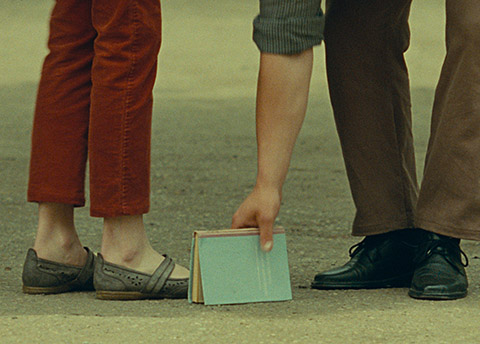
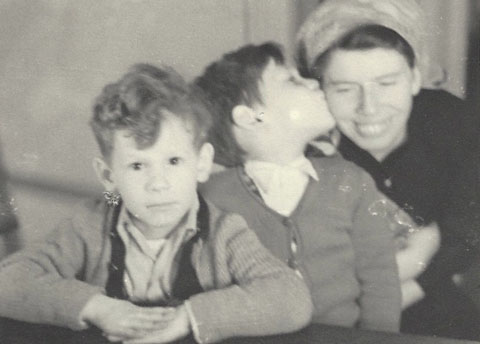
The video shows the first five minutes of the film.
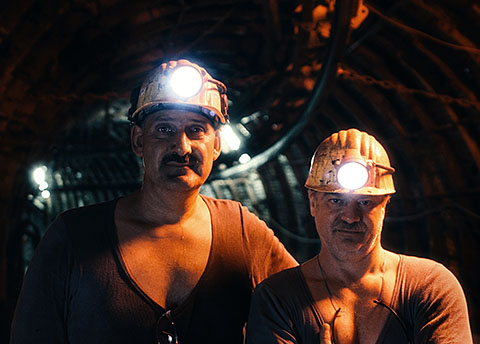
"Wir - zwei" was digitized by DFF - Deutsches Filminstitut und Filmmuseum as part of the film heritage funding program "Förderprogramm Filmerb...
Dokumentarfilm über die gesellschaftspolitischen Nachwirkungen des G20-Gipfels in Hamburg 2017. Die Langzeitbeobachtung dokumentiert den Aktivismus verschiedenster Menschen, die durch ihren Protest g...
We're All Going to Die Humorous Documentary on the Apocalypse: Journalist Ben embarks on a global journey with an urgent mission. He wants to explore how different communities are coping with the loom...
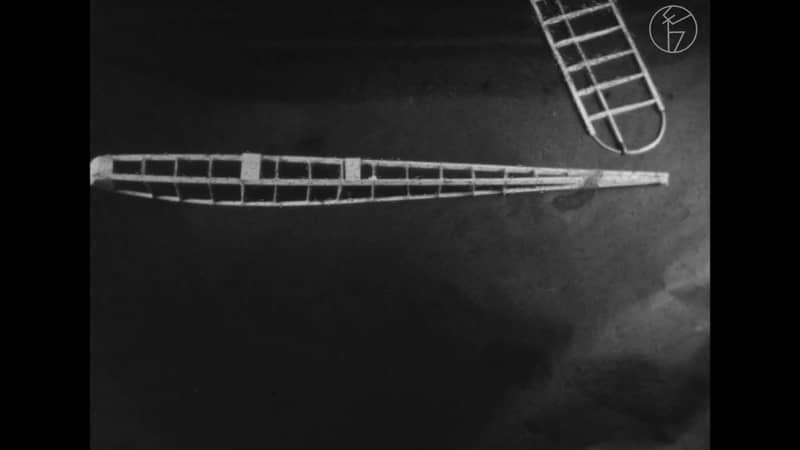
This mostly animated black and white film by Erich Schnabel is a detailed instruction on how to build the model glider "Baby", a design by Helmut Kirschke from 1934.
This film was digitized as pa...
Documentary on the carnival season in Cologne. Over the course of one year, the film accompanies individuals who have dedicated their lives to the "fifth season": For instance 82-year-old Biggi, who h...
Documentary episodic film in which six filmmakers from the former GDR review their childhood and youth memories: Lars Barthel, Gabriele Denecke, Peter Kahane, Thomas Knauf, Ralf Marschalleck, Hannes S...
Devid Striesow (front) in "Wir sind jung. Wir sind stark." (2013/14)
Trang Le Hong in "Wir sind jung. Wir sind stark." (2013/14)
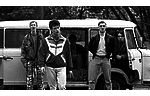
Jakob Bieber, Joel Basman, Jonas Nay, David Schütter, Paul Gäbler (from left to right) in "Wir sind jung. Wir sind stark." (2013/14)
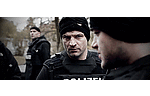
Mišel Matičević (in the middle), Ronald Zehrfeld (on the right) in "Wir waren Könige" (2012-14)
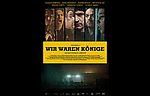
German movie poster of "Wir waren Könige" (2012-14)
Tilman Strauß in "Wir waren Könige" (2012-14)
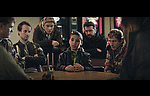
Maximilian Brauer (second on the left), Mohammed Issa (sitting in the middle) in "Wir waren Könige" (2012-14)
Ronald Zehrfeld (on the left), Mišel Matičević (second on the left), Bernhard Schütz (fifth on the left), Michael Klammer (sixth on the left), Maximilian Brauer (seventh on the left), Tilman Strau...
The film was permitted to young people under 16 years.
Banned for young people.
The film title changed on 30. May of 1931 from: "Nur am Rhein" to "Hurra wir leben wieder". The film was permitted to young people under 16 years. An import permission was enclosed to the censorship c...
The film was permitted to young people under 16 years.
Report of the Reich ministry of interior's film censorship expert, Walter Erbe, about WOHIN WIR TREIBEN. The film was submitted for censorship by the censorship office (Filmprüfstelle)...