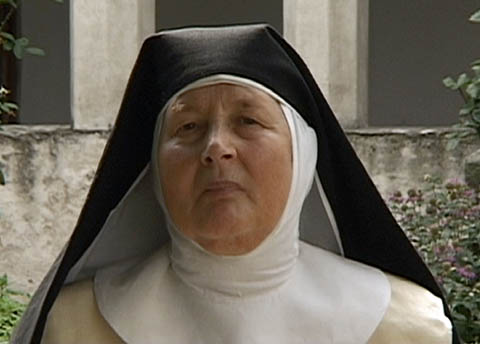
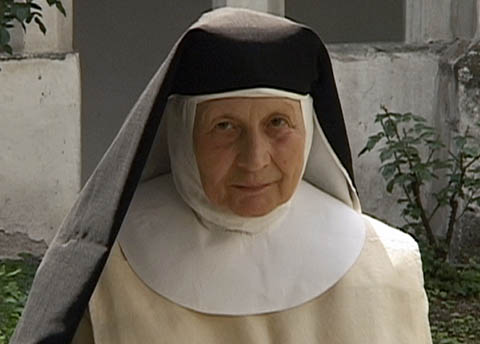
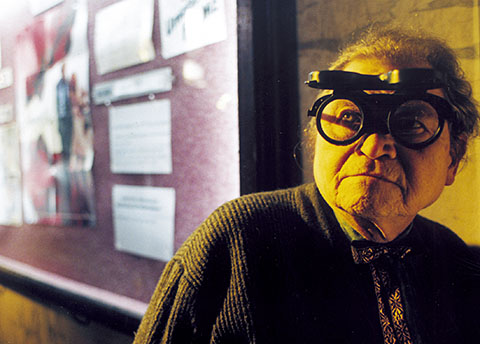
Der Dokumentarfilm porträtiert eine Reihe von Wiener Rentnern jenseits der 70, die allesamt treue Stammbesucher des Bellaria-Kinos sind. Das Bellaria ist ein kleines, unscheinbares Programmkino in ei...
Biopic about the Austrian pop star Falco (real name: Hans Hölzel), who became famous all over the world with hits like "Der Kommissar" or "Rock Me Amadeus" during the 1980s. The f...
Come On, Let's Find a TreasureTiger and Bear discover a mysterious treasure map and set out to find the hidden fortune. When one half of the map is lost in a small squabble, the adventure already seem...
Marklt am Inn is a small town at the margins of Upper Bavaria that no one was really interested in. Until April 19, 2005, when cardinal Joseph Ratzinger was elected to be the new pope, because Marktl ...
The Invisibles Berlin 1943. The Nazis have declared the city officially as "Jew-free", after murdering and deporting the Jewish population to death camps. Yet, in fact, 7000 Jews still live in Berlin....
Was bedeutet Solidarität im 21. Jahrhundert? Carmen Eckhardt beantwortet diese Frage anhand zahlreicher Projekte, die sie in "Homo communis – Wir für alle" porträtiert. Dabei spannt sie den Bogen...
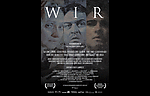
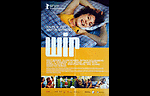
German movie poster of "Wir" (2012/13)
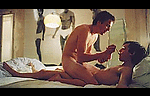
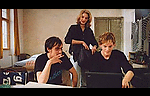
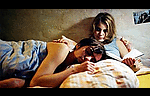
Szene aus "Wir"
Szene mit Karina Plachetka (links)
Szene aus "Wir"
Szene aus "Wir"
Oliver Bokern, Rike Schmid
Filmplakat
Janina Fautz, Mehdi Nebbou in "Wir Monster" (2014)
The film title was changed from "Alles, was wir lieben!" to "Alles Schwindel".
Following titles had to be removed: number 201, 202, 205, 225, 234 and the second picture of the gallows.
There was no kind of restriction noted.
The chairman applied against the permission of the film "Wir schalten um auf Hollywood". The application was partially accepted. One scene was prohibited.
The film was permitted to a general audience, except for the scene in which a wounded soldier was shoot, which was - from my point of view - cut for political reasons.
The film was permitted to young people under 16 years.
National Film G.m.b.H. "Wir Barbaren", Der Kinematograph, 439, (1915), S. 20-22. Rezension einer Komödie, die die französische Propaganda gegen Deutschland aufgreift.
"Hu-hu ! Wir schröcklich ! (mit'n „ö“)", Der Kinematograph, 490, (1916), S. 20(?). Entgegnung auf die Behauptungen des Abgeordneten Werner-Giessen, die Flut an Krimis in den Kinos schade der Mor...