Unedited footage. At the Chrystal Palace, in Oporto, an automobiles exhibition. Panoramic view of the city. The car stands.
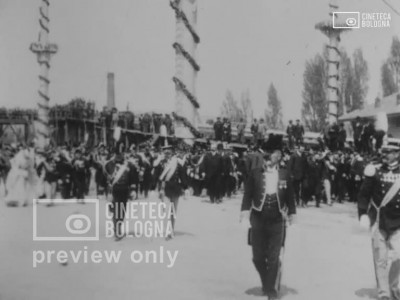
Panoramic shot over Santiago de Compostela. A crowd in the streets attends a procession followed by a parade of men with hats, women with veils, people with masks and music bands.
Unedited footage on the Presidential visit to Oporto on the occasion of the 31st January celebrations (1st attempt of a republican revolution)
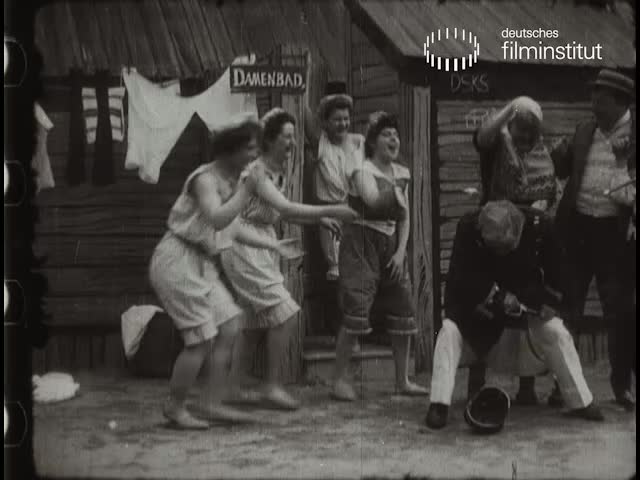
Bei "Vor dem Damenbad" handelt es sich um ein Tonbild. Tonbild ist eine Bezeichnung für frühe Kinofilme mit Synchronton (aufgezeichnet und abgespielt im Nadeltonverfahren). In Deutschland begann die...
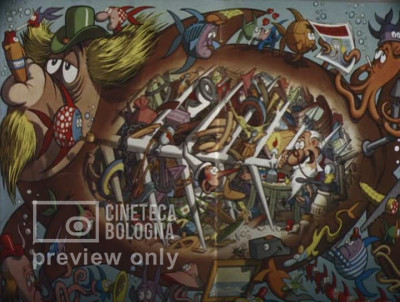
A re-examination of the text based on illustrations of various editions of “Pinocchio” by Carlo Collodi.
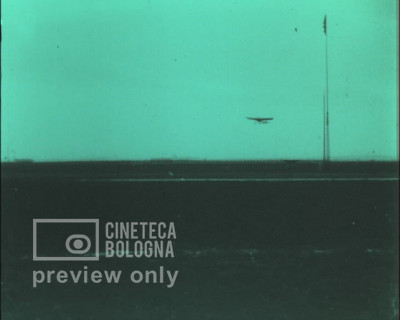
Episode of the series "Aviation in Brescia": airplane exercises featuring the pilots Curtiss, Rougier, Calderara, Blériot and Cobianchi.
Film restored in collaboration with Fondazione Cineteca Italiana.
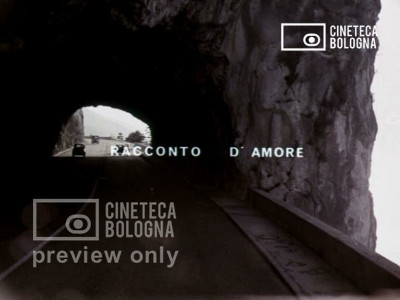
This documentary puts together different moments of Pier Antonio Quarantotto Gambini’s poetic journey, pausing on the only work in verse by this writer from Trieste, “Racconto d'amore” (Lo...
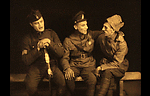
Three Russian soldiers sit on the bench and sing.
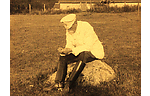
Tomáš Garrigue Masaryk - the 1st President of Czechoslovak Republic - contemplates.
An illustrative part: Poster with the slogan: "Czechoslovaks! Join our free Colors!" and flags with provincial emblems.
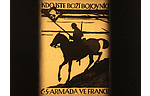
An illustrative part: Poster with the slogan: "The God´s fighters - Czechoslovak army in France" and soldier on horseback with Hussite flag.
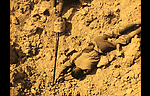
The battle of Zborov: Dead soldier and rifle with bayonet stuck in the ground.
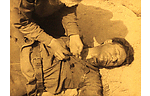
Wounded Tomeš.
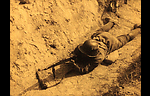
Austrian soldier with a rifle lying in the trench. A hand-grenade is in front of him.
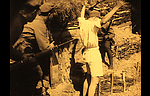
An Austrian soldier in underwear, three Russian soldiers around him.
Oscar Geller, Detektiv-Filme, Der Kinematograph, 593, (1918), S. 21-25. Eröterung der Krimiwelle. Man könne Krimis nicht einfach als Schund abtun. Auch wenn viele der frühen Krimis, maßgeblich aus...
Poldi Schmidl, Der Kinobesitzer als Staatsbeamter, Der Kinematograph, 607, (1918). Angesichts der geplanten Konzessionspflicht für Kinobesitzer wird die Möglichkeit einer Verstaatlichung der Filmind...
Argus, Neuheiten auf dem Berliner Filmmarkte, Der Kinematograph, 614, (1918). "Kinder der Liebe" als Tendenz- und Aufklärungsfilm bezeichnet, dessen Absicht überzeuge. "Der Gefangene von Dahomey" se...
Egon Jacobsohn, Ferdinand Lassalle, Der Kinematograph, 615, (1918), S. 18-30. Bericht von der Uraufführung in Berlin. Die Aufführung sei ein voller Erfolg gewesen, zumal es besonders gut in die Zeit...
Deutsche Lichtbild Gesellschaft e.V., Der Friedensreiter, Der Kinematograph, 618, (1918), S.22-23.
Emil Perlmann, Wenn die Waffen ruhen...!, Der Kinematograph, 619, (1918). Erörterung der Lage der Filmindustrie angesichts des greifbaren Kriegsendes. Die Filmindustrie müsse den Kampf gegen die Zen...
Der deutsche Film für das Ausland, Der Kinematograph, 620, (1918). Es sei Aufgabe der deutschen Filmindustrie, den negativen Vorstellungen über Deutschland, die im Ausland im Krieg verbreitet worden...
Universum Filmverleih, Die Waffen nieder, Der Kinematograph, 620, (1918), S. 28-33.