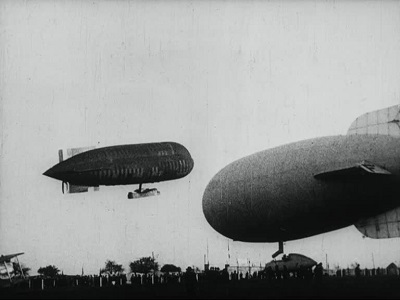
International newsreel with ten different elements, among them a fashion show in Paris, followed by different shows and demonstrations of airship, planes, motorcycles, cars, tractors and other farm ma...
The film shows a gathering in the city of Lillehammer in Norway by farmers from Gudbrandsdalen. We also visit several places in Gudbrandsdalen before returning to the farmers' association's gathering ...
The film shows a football match, probably an international match, on the newly opened football field Gressbanen in Oslo. Some private family shots follow the football scenes.
01. Zwischentitel: Berlin: Erbeutete Pferde, welche für das Heer nicht brauchbar sind, werden versteigert. Bild: Pferde werden vor der Versteigerung begutachtet. 02. Zwischentitel: Russland: Wirkun...
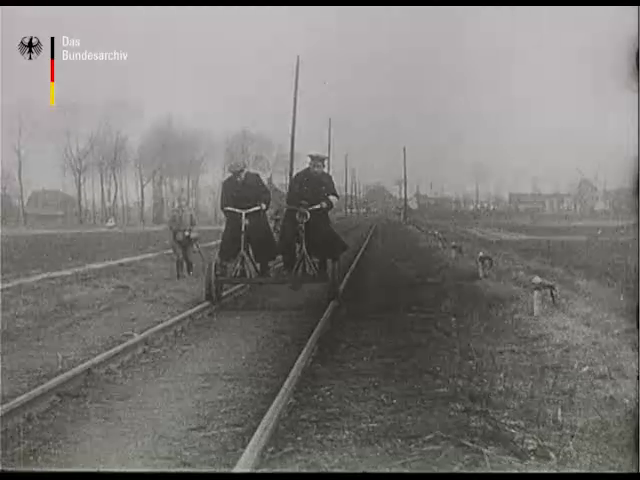
Various news items about the First World War, compiled for home projection. Optimism and emphasis on international collaboration, remains preserved and the more gruesome or embarrassing war images wer...
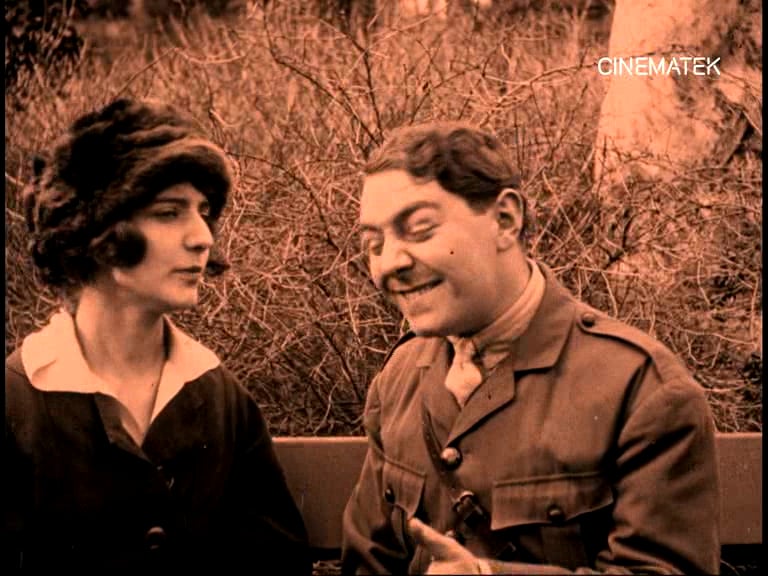
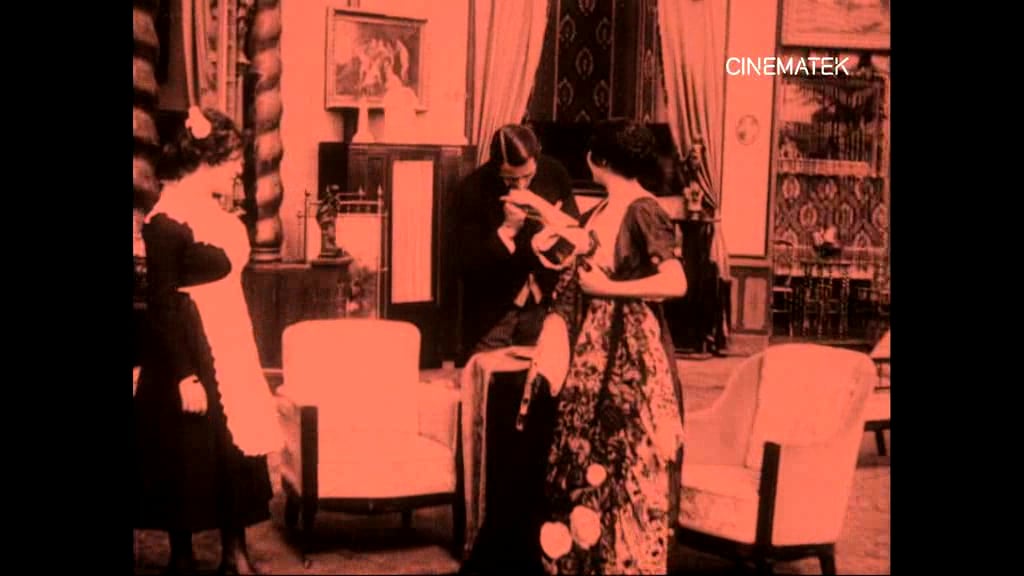
Georges Lordier would direct more than 300 songs on film. Here about a soldier, falling in love with a girl. He flirts with her and later, on his room, he dreams about her while writing a letter.
An unidentified (and unfortunately incomplete) exotic melodrama, tends towards De Mille's The Cheat. Considered by specialists as a German film.
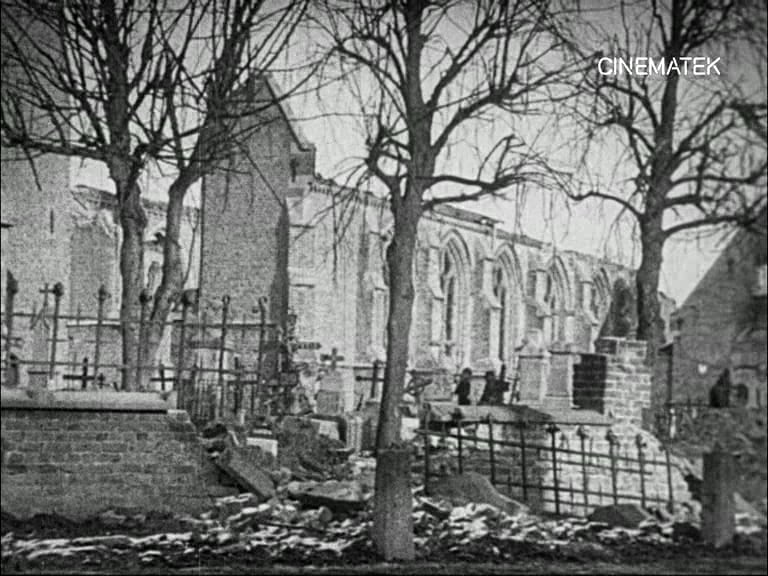
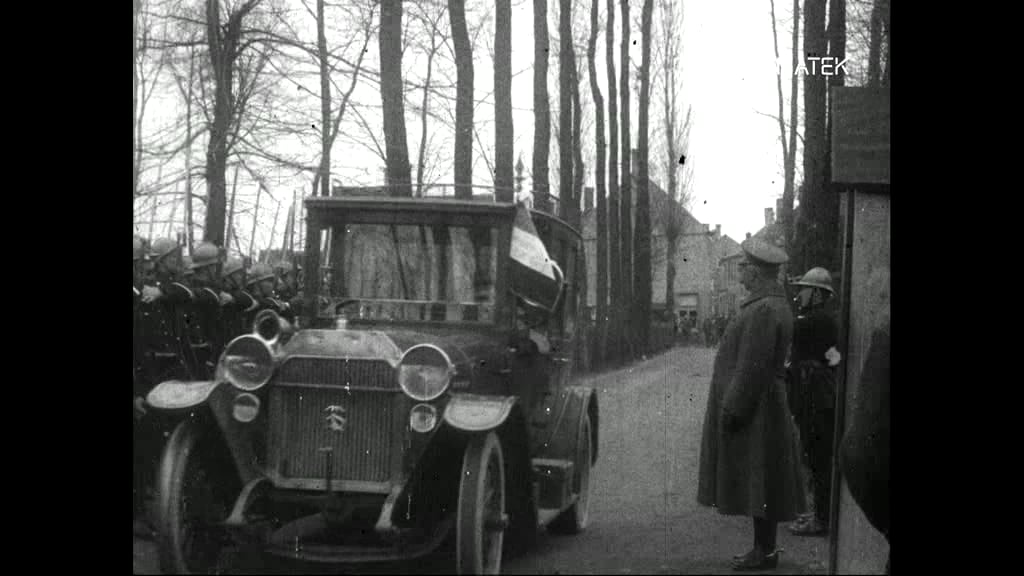
Newsreel item on the visit of the French statesman Georges Clémenceau, visiting the frontlines in Belgium.
Newsreel item on the visit of the French statesman Georges Clémenceau, visiting the fr...
The battle of Zborov: A soldier gives to smell a rotten can to his sleeping friend.
The battle of Zborov: Several soldiers in the trench with stuffy noses. One of them holds a rotten can.
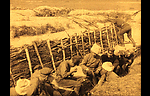
The battle of Zborov: Several soldiers sit in the trench.
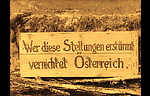
The batttle of Zborov: A board with the slogan in Austrian trenches - "Wer diese Stellungen erstürmt vernichtet Österreich."/ "A conqueror of this position will defeat Austria".
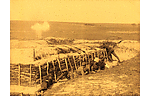
The battle of Zborov: Several soldiers hidden in the trench.
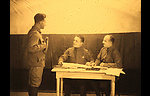
An office with two sitting Russian generals (on the left Rudolf Medek - author of the synopsis). Tomeš registers himself as a volunteer.
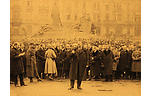
A documentary part: First days of the independent Czechoslovak Republic - František Udržal speaks to the gathering of people in front of the monument of Jan Hus.
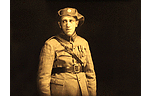
Bárta (laborer) in the uniform of Czechoslovak volunteer from France.
O. Verf.. „Kino und Kirche.“ Bild & Film. Zeitschrift für Lichtbilderei und Kinematographie III, 3/4 (1913/1914): 73-74. Beschlüsse der Fuldaer Bischofskonferenz von 20.8.1913. Schulpflichtigen ...
Felix, F.. „Die Kinematographie der Töne.“ Bild & Film. Zeitschrift für Lichtbilderei und Kinematographie III, 3/4 (1913/1914): 78-79. Meldung über erste Versuche, Film-und Tonaufnahmen zu sync...
W.R.. „Historische Filme.“ Bild & Film. Zeitschrift für Lichtbilderei und Kinematographie III, 3/4 (1913/1914): 86. Der Rezensent führt den Film als Beispiel dafür an, dass die Filmindustrie mi...
Hellwig, Albert. „Die Plakatzensur in Preussen.“ Bild & Film. Zeitschrift für Lichtbilderei und Kinematographie III,5 (1913/1914): 104-106. Rekapitulierung der Rechtslage zu Filmplakaten.
O. Verf.. „Preußischer Ministerialerlaß über das Plakat- und Reklamewesen.“ Bild & Film. Zeitschrift für Lichtbilderei und Kinematographie III, 5 (1913/1914): 111-112. Filmplakate bedürfen de...
Warstat, W.. „Kino und Schule. Von Prof. Dr. A. Sellmann.“ Bild & Film. Zeitschrift für Lichtbilderei und Kinematographie III,5 (1913/1914): 116-117. Der Rezensent sieht die Verwendung von Filmen...
Fritze, G.A.. „Die Kinematographie im Dienste der Industrie.“ Bild & Film. Zeitschrift für Lichtbilderei und Kinematographie III,6 (1913/1914): 124-128. Erörterung der bereits erfolgten Verwendu...
Felix, F.. "Rektor Lemkes „Reichsausschuß“." Bild & Film. Zeitschrift für Lichtbilderei und Kinematographie III, 6 (1913/1914): 134-137. Bericht über einen Reichsausschuss für wissenschaftlich...