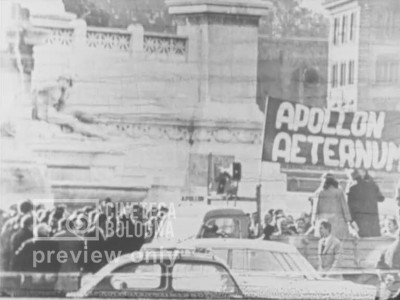
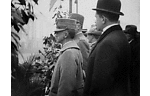
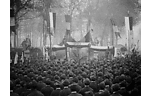
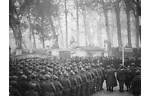
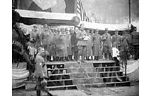
1892 - 1972: ottant'anni di storia del Partito Socialista Italiano, attraverso un percorso, costruito attraverso immagini di repertorio, che narra i cambiamenti della società italiana, gli even...
Giuseppe Garibaldi was in America when he met and married Anita Ribeira. In 1848 Garibaldi decided to go back to Italy where war was imminent, and Anita followed him. In the fighting at Vascello...
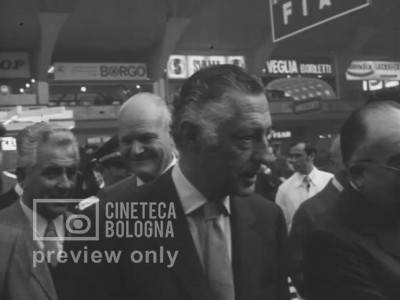
01 – Cronaca (Roma, 22/10/1970) Esterni del Palazzo della Civiltà del Lavoro all'Eur; al suo interno si svolge la cerimonia di conferimento delle insegne ai nuovi cavalieri del lavoro. Il min...
Film restored in collaboration with Cinémathèque Suisse.
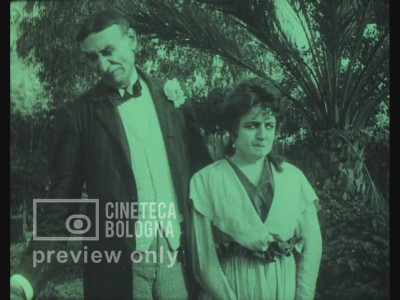
Agenore Pacifici è un vero enfant terrible. È la disperazione della sua famiglia che non ha mai potuto e saputo rendere tranquillo l’irrequieto fanciullo che ha preso specialmente di mira il...
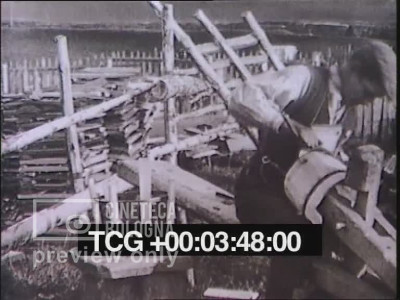
Pittoresche immagini della Alpi Carniche: vallate, viadotti, un ponte attraversato da un treno, mucche al pascolo. Oltre al paesaggio, uomini al lavoro: un vecchio spaccalegna, un falegname che ...
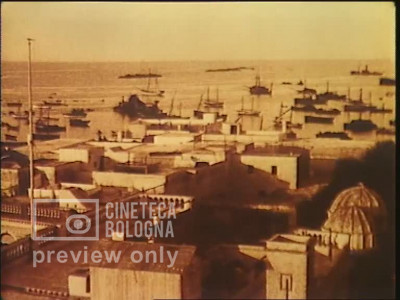
The flat tops of the houses give the town an Eastern appearance - the narrow, roughly paved thorough fare through which loosely cloaked natives proceed on mule-back, the marabouts or travelling ...
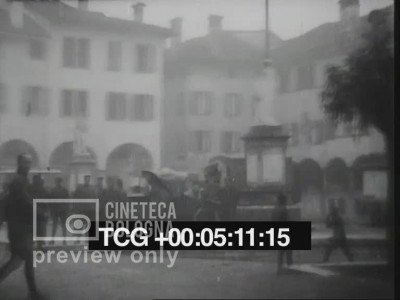
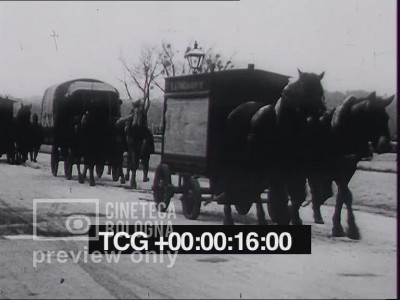
Breve frammento in cui viene mostrato l'arrivo di un cinema ambulante, trainato da cavalli, per dilettare i soldati dell'esercito austriaco durante la prima guerra mondiale.
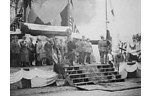
Regiments of Czechoslovak volunteers in Padova swear to the flegs with the participation of the Italian king Vittorio Emanuele III. di Savoia and Czech political representation.
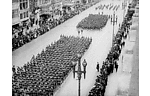
American soldiers sent to France march with the American flags in the streets of Paris.
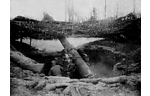
A soldier with cannon in a trench during the battle of Terron.
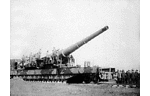
Czechoslovak volunteers on a gun carriage of a long-range cannon during the battle of Terron.
Spectator. "Der heutige Stand der Kinoreform." Bild & Film. Zeitschrift für Lichtbilderei und Kinematographie III, 3/4 (1913/ 1914): 49-56. Der Autor warnt vor den Gefahren, die vom Kino ausgingen un...
Häfker, Hermann. "Sind die 'kleinen' Kinotheater der Reform schädlich?" Bild & Film. Zeitschrift für Lichtbilderei und Kinematographie III, 3/4 (1913/1914): 58-60. Häfker geht davon aus, dass die ...
Schumacher, Carl. "Zur 'Kinodramatik'." Bild & Film. Zeitschrift für Lichtbilderei und Kinematographie III, 3/4 (1913/1914): 63-64. Schumacher stellt die Abwesenheit von Dialogen als das Hauptproblem...
O. Verf.. "Kino-Kritik." Bild & Film. Zeitschrift für Lichtbilderei und Kinematographie III, 3/4 (1913/1914): 68-69. Obwohl immer wieder Forderungen nach der Hebung des Niveaus im Kino laut würden, ...
O. Verf.. "Das Kinoplakat." Bild & Film. Zeitschrift für Lichtbilderei und Kinematographie III, 3/4 (1913/1914): 70. Meldung über die zunehmende Hebung des Niveaus von Kinoplakaten. Statt auf grelle...
O. Verf.. "Die Kinematographie auf dem 85. Naturforschertag in Wien." Bild & Film. Zeitschrift für Lichtbilderei und Kinematographie III, 3/4 (1913/1914): 70-71. Meldung über den Einsatz von Filmen ...
O. Verf.. „Polizeiverordnung für das Rheinland.“ Bild & Film. Zeitschrift für Lichtbilderei und Kinematographie III, 3/4 (1913/1914): 72-73. Meldung über den Einsatz von Filmen als illustrieren...
O. Verf.. „Ein Kinematographengesetz in Württemberg.“ Bild & Film. Zeitschrift für Lichtbilderei und Kinematographie, III, 3/4 (1913/1914): 73. Jeder Film, der öffentlich vorgeführt werde, mü...