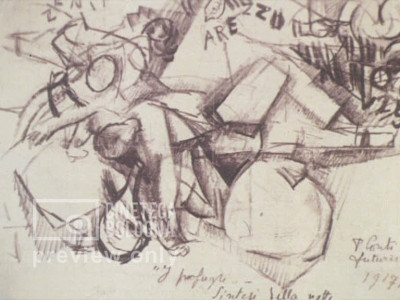
Il pittore Primo Conti (1900 - 1988) legge un libro nella sua casa di Fiesole, vengono poi ricordati i suoi esordi negli anni Dieci quando, giovanissimo, inizia a dipingere influenzato dai fauve...
Film restored in collaboration with Cinémathèque Française.
Il film, alternando alle riprese molte fotografie e filmati di repertorio, ripercorre la vita e la carriera del compositore ungherese Béla Bartók (1881-1945). Nato a Nagyszentmiklós (San Nicc...
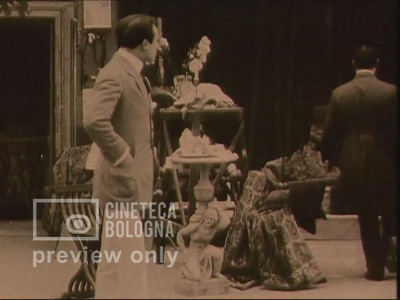
In un piccolo paese dell'Umbria vive il conte di San Secondo con sua figlia Elena, la quale ama in segreto il pittore Paolo Ardenti, un giovane di modeste origini. Rovinato da un'errata speculaz...
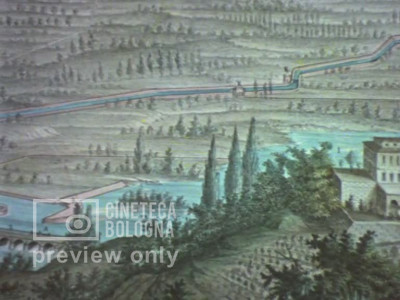
Si ripercorrono gli anni che crearono i presupposti per l'unità d'Italia, servendosi prevalentemente di materiale iconografico d’epoca. La battaglia di Novara e la fine della prima guerra dâ€...
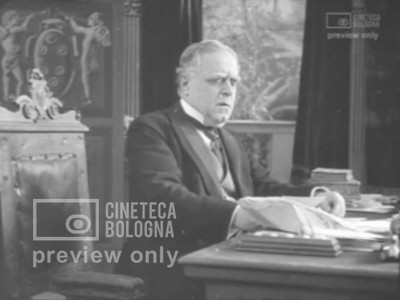
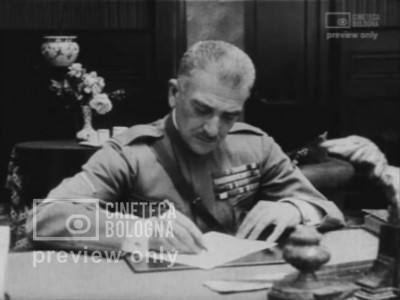
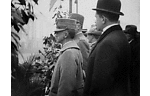
Il Generale Armando Diaz scrive un documento alla scrivania. Restaurato a partire da un frammento negativo d’epoca appartenente al fondo Fausto Correra.
Film restored in collaboration with Cinémathèque Suisse.
Spari di artiglieria di navi da guerra battenti bandiera italiana. Restaurato a partire da un frammento positivo d’epoca appartenente al fondo Fausto Correra.
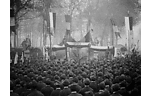
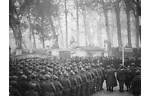
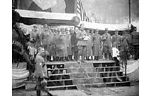
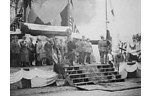
Regiments of Czechoslovak volunteers in Padova swear to the flegs with the participation of the Italian king Vittorio Emanuele III. di Savoia and Czech political representation.
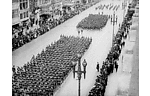
American soldiers sent to France march with the American flags in the streets of Paris.
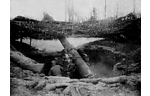
A soldier with cannon in a trench during the battle of Terron.
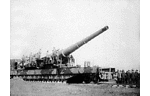
Czechoslovak volunteers on a gun carriage of a long-range cannon during the battle of Terron.
O. Verf.. „Kino und Kirche.“ Bild & Film. Zeitschrift für Lichtbilderei und Kinematographie III, 3/4 (1913/1914): 73-74. Beschlüsse der Fuldaer Bischofskonferenz von 20.8.1913. Schulpflichtigen ...
Felix, F.. „Die Kinematographie der Töne.“ Bild & Film. Zeitschrift für Lichtbilderei und Kinematographie III, 3/4 (1913/1914): 78-79. Meldung über erste Versuche, Film-und Tonaufnahmen zu sync...
W.R.. „Historische Filme.“ Bild & Film. Zeitschrift für Lichtbilderei und Kinematographie III, 3/4 (1913/1914): 86. Der Rezensent führt den Film als Beispiel dafür an, dass die Filmindustrie mi...
Hellwig, Albert. „Die Plakatzensur in Preussen.“ Bild & Film. Zeitschrift für Lichtbilderei und Kinematographie III,5 (1913/1914): 104-106. Rekapitulierung der Rechtslage zu Filmplakaten.
O. Verf.. „Preußischer Ministerialerlaß über das Plakat- und Reklamewesen.“ Bild & Film. Zeitschrift für Lichtbilderei und Kinematographie III, 5 (1913/1914): 111-112. Filmplakate bedürfen de...
Warstat, W.. „Kino und Schule. Von Prof. Dr. A. Sellmann.“ Bild & Film. Zeitschrift für Lichtbilderei und Kinematographie III,5 (1913/1914): 116-117. Der Rezensent sieht die Verwendung von Filmen...
Fritze, G.A.. „Die Kinematographie im Dienste der Industrie.“ Bild & Film. Zeitschrift für Lichtbilderei und Kinematographie III,6 (1913/1914): 124-128. Erörterung der bereits erfolgten Verwendu...
Felix, F.. "Rektor Lemkes „Reichsausschuß“." Bild & Film. Zeitschrift für Lichtbilderei und Kinematographie III, 6 (1913/1914): 134-137. Bericht über einen Reichsausschuss für wissenschaftlich...