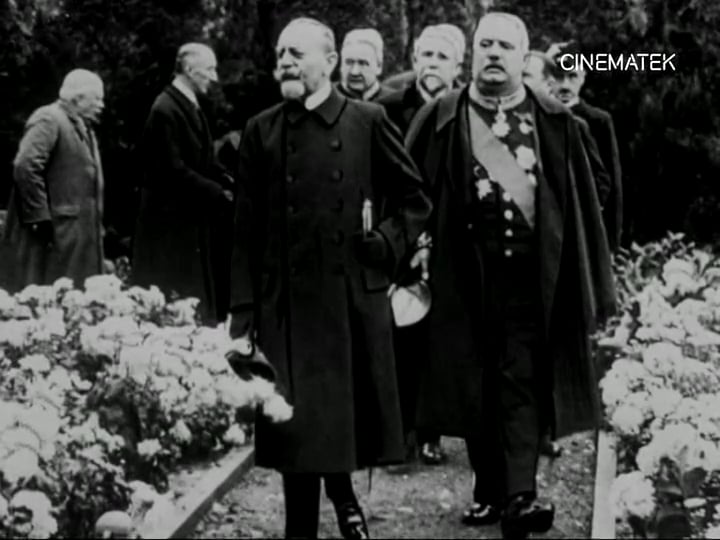
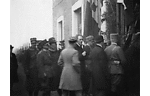
Newsitems. Amongst others, General Foch and Johnson having a conversation.
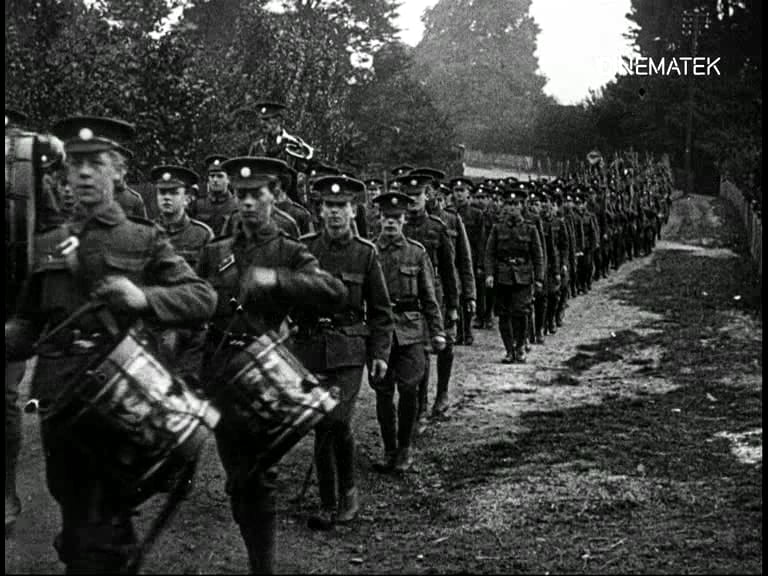
An unidentified news report about various aspects of the First World War. Great emphasis is being placed on the British Army and the recruitment of soldiers.
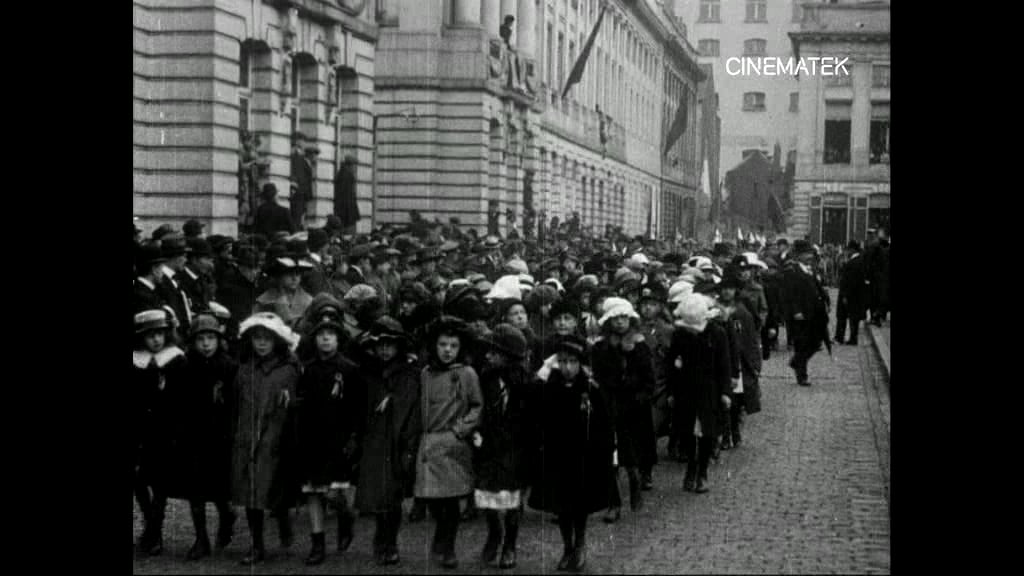
War-time report, probably broadcasted in November 1919.
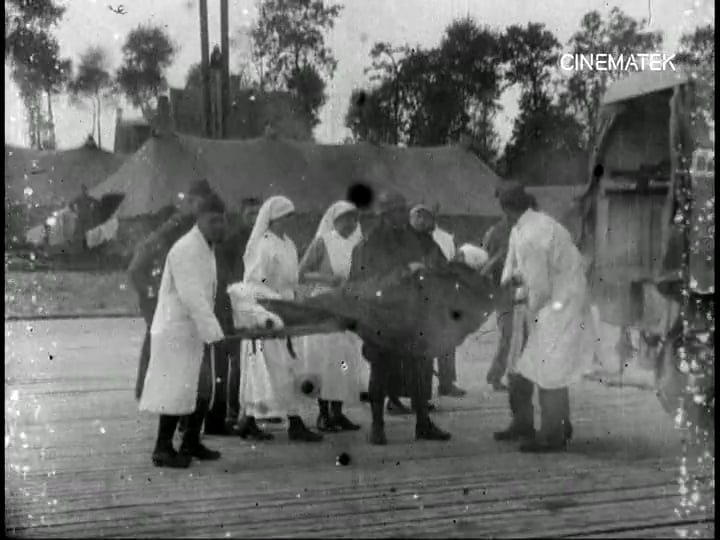
Report on the Red Cross hospitals in De Panne and Nieuwpoort during the First World War.
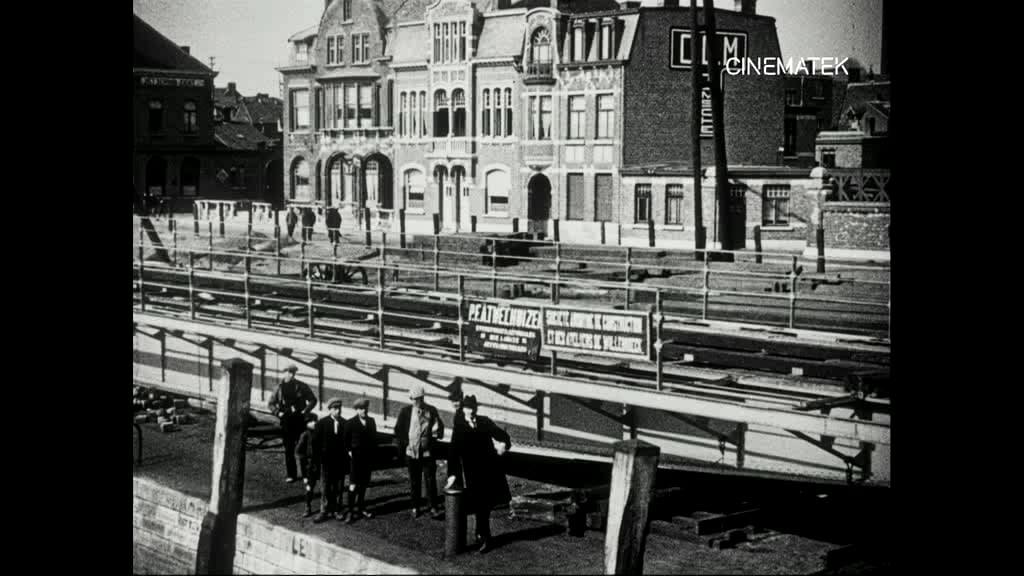
News footage filmed almost entirely by Ernest De Bock, a printer who ran the Gaumont cinema in Temse. He filmed local events, edited them and did the inter-titles. A second cameraman worked on the fil...
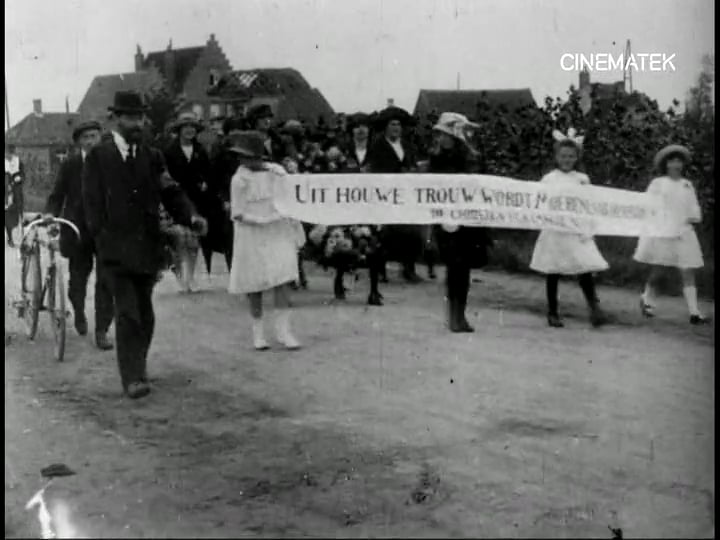
Chain of pictures and moving images about the origination of the annual Yser pilgrimage from 1920 to 1929.
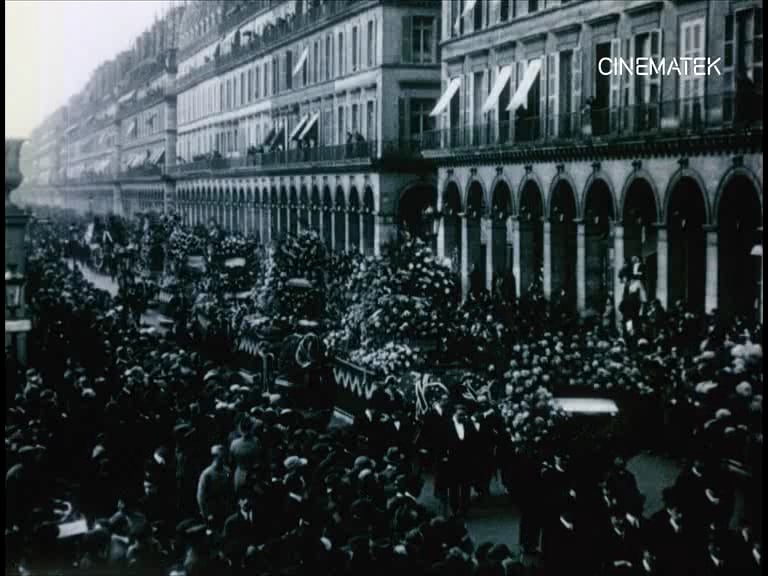
Tribute to former mayor of Brussels: Adolphe Max.
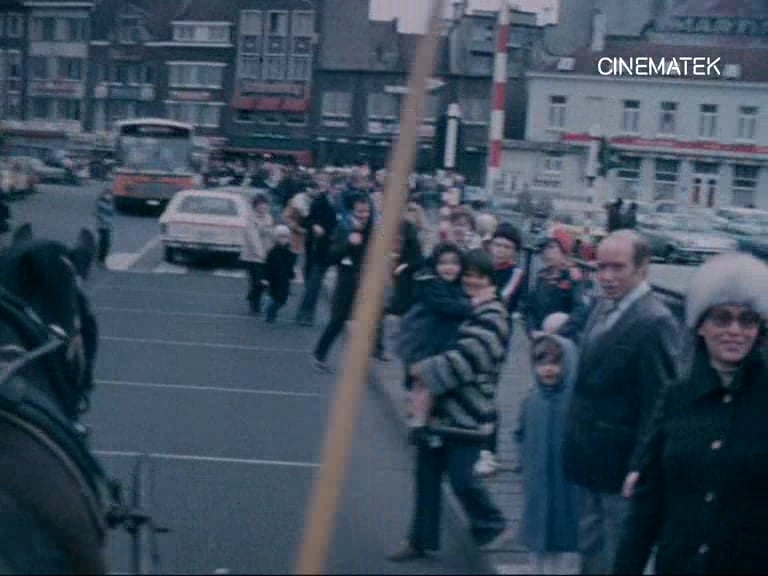
Four individual newsitems. One item specifically focuses on World War I: the 60th anniversary of the Armistice is being commemorated in the presence of Prince Karel and mayor Jan Piers in Ostend. They...
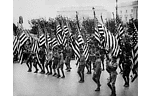
American soldiers sent to France march with the American flags in the streets of Paris.
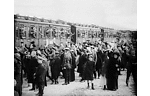
Mobilization in Germany. German soldiers wave from the windows of the train before leaving for the front.
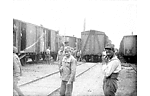
Czechoslovak volunteers on a small station in Siberia.
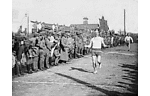
Czechoslovak volunteers relax - a run competition.
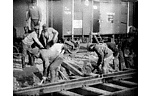
Technical troops maintained in good repair railway tracks - covering the underside of rails.
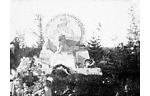
A monument with a stone lion - a symbol of Czech statehood- on the grave of fallen volunteers.
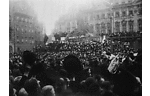
Welcome of the President T.G. Masaryk after his arrival in the country. On the monument of Jan Hus is a banner with the slogan "People of Jan Hus".
Tomáš Garrigue Masaryk met the king of Italy Vittorio Emanuele III. di Savoia in Batavia.
Josef Max Jacobi, Der Triumph des Films, Der Kinematograph, 563, (1917), S. 13-14. Die Macht des Films sei lange verkannt worden, im Krieg aber hätte sie sich bewiesen. Kinobesitzer sollten mit gutem...
Kriegsanleihe-Filme, Der Kinematograph, 563, (1917), S. 22. Ankündigung neuer Trickfilme zur Werbung für die Kriegsanleihe. Sie werden allesamt als sehr unterhaltsam und technisch gelungen beschrieb...
Mercedes-Film GmbH, Die Leibhusaren und ihre Geschichte, Der Kinematograph, 565, (1917). Die Werbung verweist darauf, dass der Film durch von Mackensens Frau gefördert wird.
Deutsche Lichtbild Gesellschaft e.V., Die Arbeit unserer Heimarmee, Der Kinematograph, 566, (1917), S. 11.
Argus, Neuheiten auf dem Berliner Filmmarkte, Der Kinematograph, 566, (1917), S. 21-22. Rezensionen zu "Aus des Deutschen Reiches Waffenschmiede", "Höhenluft mit Henny Porten" und "Der schwarze Chauf...
Julius Urgiss, Oesel genommen, Der Kinematograph, 566, (1917), S. 22-24. Rezension der Aufnahmen des Königlichen Bild- und Filmamtes von der Eroberung der Insel Ösel (Estland, zum russ. Reich gehör...
Mercedes-Film GmbH, Suchomlinow, Der Kinematograph, 566, (1917), S. 27.
Propaganda-Filme, Der Kinematograph, 571, (1917), S. 19-20. Deutsche Propagandafilme seien noch immer den feindlichen unterlegen. Man müsse zu denselben Waffen greifen, wie es die Feinde tun und die ...