Item probably from a Topical Budget newsreel showing a march past of British troops, possibly in London.
Two items from this issue: "The Atlantic Flight - Miss Catherine Masson christens the waterplane "America" which is to attempt the great flight across the Atlantic." "Great Britain Prepares - Scenes ...
British and Belgian troops on dockside at Ostend. "Trekking To Safety - British and Belgian troops watch the departure of the refugees from Ostend" - one shot only after this title.
"The Retreat From Ghent - Belgian cavalry and artillery falling back on Bruges".
"King And President - The King of the Belgians and President Poincaré leaving Furnes after an inspection of the French Cavalry in the market square".
"The New Army Difficulties - Soldiers making their way to their billets through the flooded district".
"War In The Snow" - Severe snow storms add to the discomfort of German troops who are compelled to leave their dug-outs to prevent being frozen to death.
"In The Vosges - The ruins of La Bourgonce where the German troops suffered heavy losses".
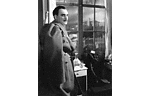
Medium shot of Rjepkin (actor: Vladimír Borský) standing next to a night stand in a hospital room. In the background is a window with a panoramic view of Brno.
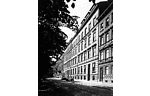
Wide shot of an empty city street with three-storeyed buildings on the right and urban greenery on the left.
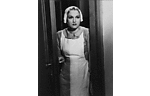
Medium shot of Nurse Mathilde (actress: Adina Mandlová) standing in a half opened door with her hand on the door handle.
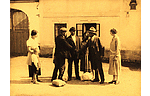
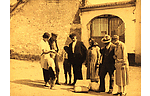
Three families on the villiage green after the mobilization. From the left Mrs. Bártová and her son, Bárta (laborer), Janda (smith) and Tomeš (farmer) pledge a loyalty to the idea of Slavonic unit...
Three families on the public green after mobilization. From the left: Mrs. Bártová, Bárta and his son, Janda and his family, Tomeš and his family. Travel packages in the foreground.
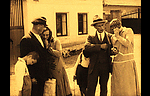
After the mobilization: women hold on men and cry. On the left Janda (smith), the second one is Tomeš (farmer).
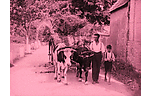
Farmer Tomeš and his son Jeníček with the oxcart full of straw.
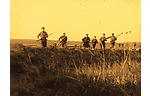
The battle of Zborov: A group of soldiers during the assault.
Oscar Geller, Detektiv-Filme, Der Kinematograph, 593, (1918), S. 21-25. Eröterung der Krimiwelle. Man könne Krimis nicht einfach als Schund abtun. Auch wenn viele der frühen Krimis, maßgeblich aus...
Poldi Schmidl, Der Kinobesitzer als Staatsbeamter, Der Kinematograph, 607, (1918). Angesichts der geplanten Konzessionspflicht für Kinobesitzer wird die Möglichkeit einer Verstaatlichung der Filmind...
Argus, Neuheiten auf dem Berliner Filmmarkte, Der Kinematograph, 614, (1918). "Kinder der Liebe" als Tendenz- und Aufklärungsfilm bezeichnet, dessen Absicht überzeuge. "Der Gefangene von Dahomey" se...
Egon Jacobsohn, Ferdinand Lassalle, Der Kinematograph, 615, (1918), S. 18-30. Bericht von der Uraufführung in Berlin. Die Aufführung sei ein voller Erfolg gewesen, zumal es besonders gut in die Zeit...
Deutsche Lichtbild Gesellschaft e.V., Der Friedensreiter, Der Kinematograph, 618, (1918), S.22-23.
Emil Perlmann, Wenn die Waffen ruhen...!, Der Kinematograph, 619, (1918). Erörterung der Lage der Filmindustrie angesichts des greifbaren Kriegsendes. Die Filmindustrie müsse den Kampf gegen die Zen...
Der deutsche Film für das Ausland, Der Kinematograph, 620, (1918). Es sei Aufgabe der deutschen Filmindustrie, den negativen Vorstellungen über Deutschland, die im Ausland im Krieg verbreitet worden...
Universum Filmverleih, Die Waffen nieder, Der Kinematograph, 620, (1918), S. 28-33.