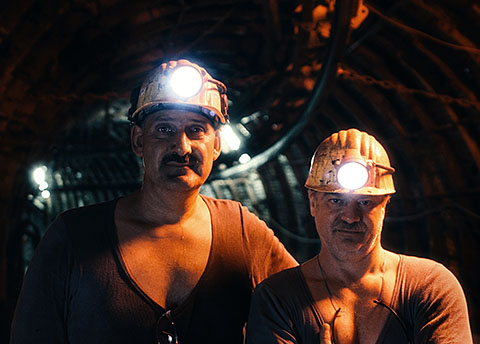
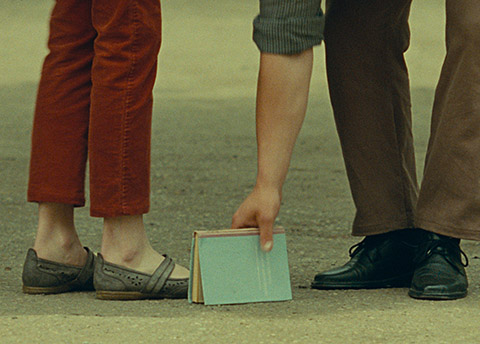
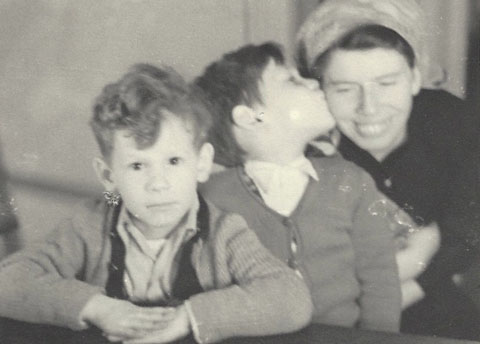
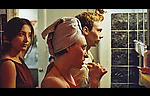
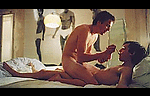
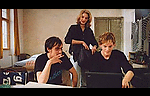
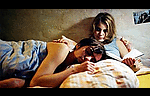
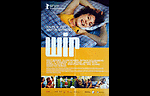
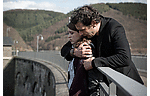
The video shows the first five minutes of the film.
"Wir - zwei" was digitized by DFF - Deutsches Filminstitut und Filmmuseum as part of the film heritage funding program "Förderprogramm Filmerb...
Dokumentarfilm über die gesellschaftspolitischen Nachwirkungen des G20-Gipfels in Hamburg 2017. Die Langzeitbeobachtung dokumentiert den Aktivismus verschiedenster Menschen, die durch ihren Protest g...
We're All Going to Die Humorous Documentary on the Apocalypse: Journalist Ben embarks on a global journey with an urgent mission. He wants to explore how different communities are coping with the loom...
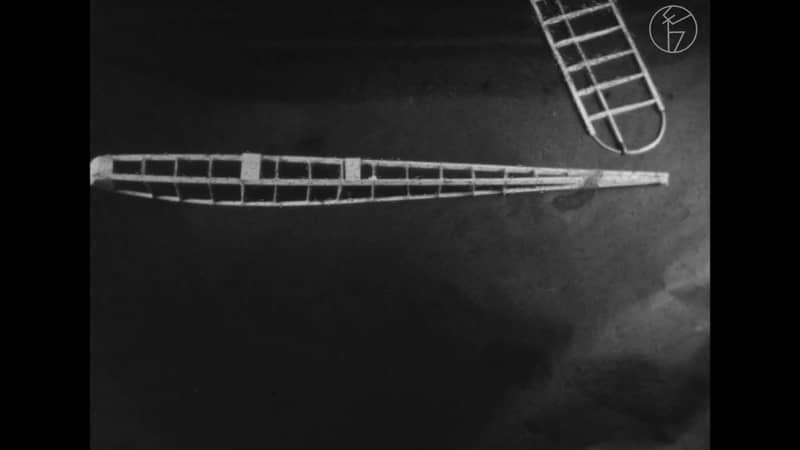
This mostly animated black and white film by Erich Schnabel is a detailed instruction on how to build the model glider "Baby", a design by Helmut Kirschke from 1934.
This film was digitized as pa...
Documentary on the carnival season in Cologne. Over the course of one year, the film accompanies individuals who have dedicated their lives to the "fifth season": For instance 82-year-old Biggi, who h...
Documentary episodic film in which six filmmakers from the former GDR review their childhood and youth memories: Lars Barthel, Gabriele Denecke, Peter Kahane, Thomas Knauf, Ralf Marschalleck, Hannes S...
German movie poster of "Wir" (2012/13)
Szene aus "Wir"
Szene mit Karina Plachetka (links)
Szene aus "Wir"
Szene aus "Wir"
Oliver Bokern, Rike Schmid
Filmplakat
Janina Fautz, Mehdi Nebbou in "Wir Monster" (2014)
The film title was changed from "Alles, was wir lieben!" to "Alles Schwindel".
Following titles had to be removed: number 201, 202, 205, 225, 234 and the second picture of the gallows.
There was no kind of restriction noted.
The chairman applied against the permission of the film "Wir schalten um auf Hollywood". The application was partially accepted. One scene was prohibited.
The film was permitted to a general audience, except for the scene in which a wounded soldier was shoot, which was - from my point of view - cut for political reasons.
The film was permitted to young people under 16 years.
National Film G.m.b.H. "Wir Barbaren", Der Kinematograph, 439, (1915), S. 20-22. Rezension einer Komödie, die die französische Propaganda gegen Deutschland aufgreift.
"Hu-hu ! Wir schröcklich ! (mit'n „ö“)", Der Kinematograph, 490, (1916), S. 20(?). Entgegnung auf die Behauptungen des Abgeordneten Werner-Giessen, die Flut an Krimis in den Kinos schade der Mor...