The film outlines the state of transportation in post-war Europe and the progress being made in rebuilding and modernizing roads, airports and the rail network. National initiatives and Marshall Plan ...
Daily live of small farmers in Central Switzerland.
Cremation cleanses the body, whereas the ceremony of Maligie or Mukur is for the puricifation of the soul. For cremation the mortal remains of the people of Bali are laid in artfully decorated animal ...
Documentary about the poverty and unjust hierarchy in Bangladesh, founded by Caritas and Heks. Scenes out of everday life, a mother giving her baby away, a farmer paying 300 % interest for the little ...
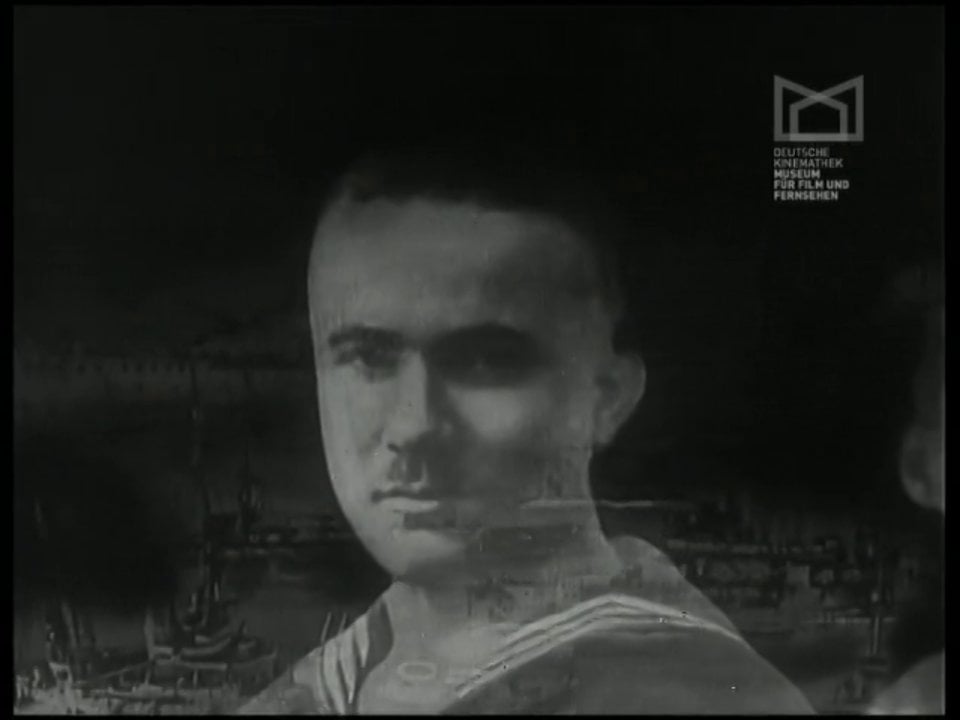
A retrospective view of the events of the German revolution produced by DEFA-Studio (GDR) in 1958. The revolutionary period lasted from November 1918 until the formal establishment of the Weimar Repub...
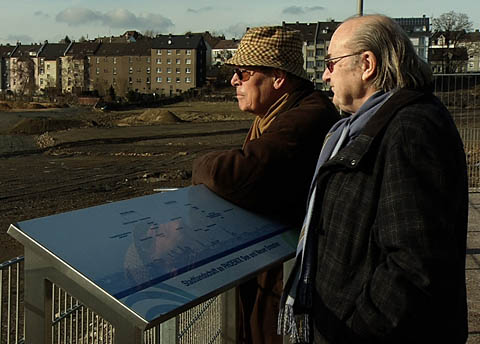
Construction work in the Hörde district of Dortmund took more than five years: The former Thyssen and Krupp steel mill site has given way to an artificial lake, the Phoenix Lake. Luxurious houses hav...
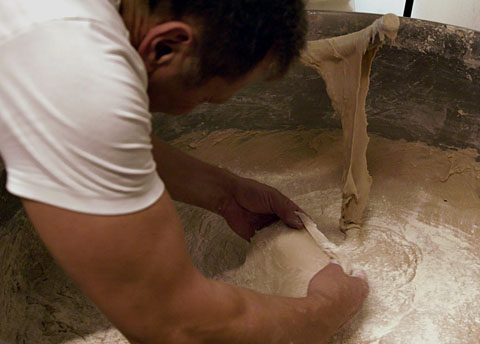
Bread Documentary film about one of the central foods that is available today in more variations than ever before: bread. Small, quality-conscious bakeries that work only with natural ingredients have...
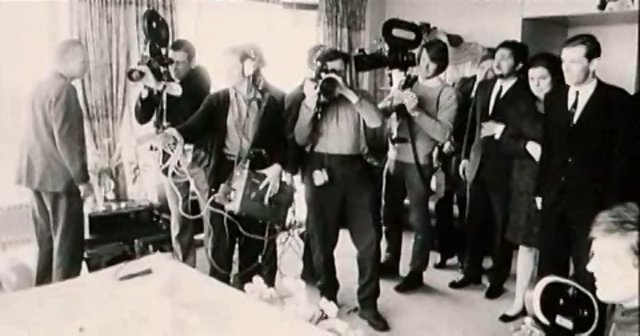
Munich, at the end of the 1960s: The "sexual revolution" is in full swing. During a police operation, 20-year old police cadet and film buff Benjamin falls in love with the attractive commun...
Ulrike C. Tscharre, Janina Fautz, Mehdi Nebbou (from left to right) in "Wir Monster" (2014)
Ronald Kukulies, Ulrike C. Tscharre in "Wir Monster" (2014)
Janina Fautz in "Wir Monster" (2014)
Ingrid van Bergen in "Wir Wunderkinder" (1958)
Szene mit Bruno Jonas
Szene mit Bruno Jonas (Mitte), Dieter Hildebrandt (rechts)
The film was permitted to young people under 16 years.
Banned for young people.
The film title changed on 30. May of 1931 from: "Nur am Rhein" to "Hurra wir leben wieder". The film was permitted to young people under 16 years. An import permission was enclosed to the censorship c...
The film was permitted to young people under 16 years.
Report of the Reich ministry of interior's film censorship expert, Walter Erbe, about WOHIN WIR TREIBEN. The film was submitted for censorship by the censorship office (Filmprüfstelle)...