ESPANYA AL DIA [SPAIN TODAY], Laya Films and Popular Film newsreel produced during the Spanish Civil War made up of the following news reports: 1. VALENCE. CERAMIQUES (sic) MODERNES Exhibition of s...
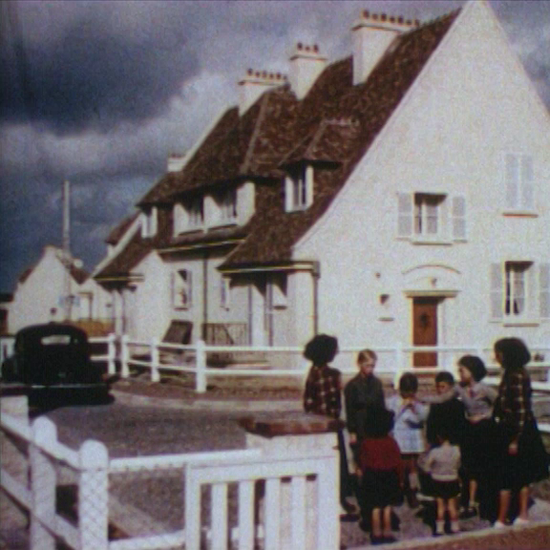
Based on ancient medicine's belief that a good life depends on good health, the film attempts to take stock of the state of health in post-war Europe and the successes that have been achieved in disea...
Film production supported by the British occupation forces as part of the Re-Orientation program. A radio reporter for women's issues provokes in his broadcast with the suggestion that women should co...
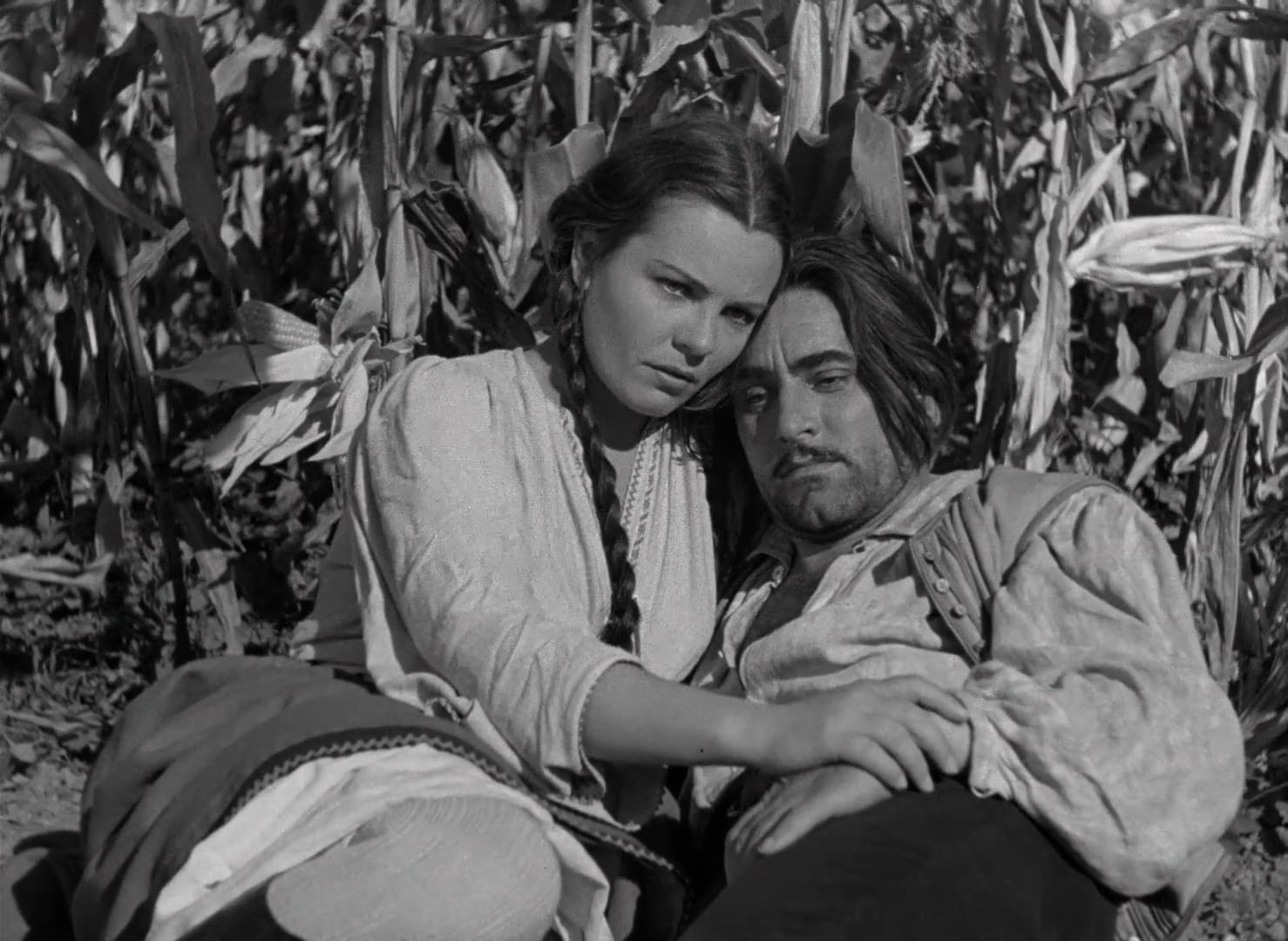
1.Teil Matrose Karl kommt auf Heimaturlaub und erzählt seinen Nachbarn Kriegserlebnisse. Einblendung: Soldat vom Küstenschutz macht Handgranate scharf; Bergung eines Verwundeten in den Dünen. Karl ...
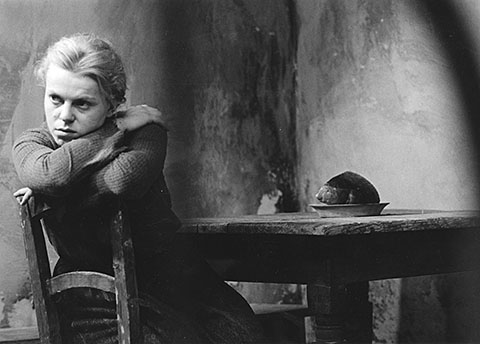
The video shows the first five minutes of the film. Film synopsis: Surveyor K. tries to settle in a village ruled over by a mysterious castle, full of strange officials, with abstruse regulations and ...
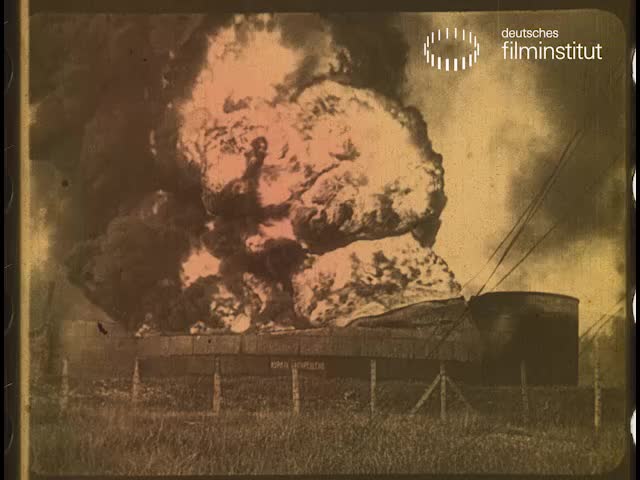
The toned footage shows the destruction of the Russian port city of Novorossiisk after being shelled by the Turkish cruiser Midilli (formerly SMS Breslau) on October 29, 1914. The devastating attack w...
The video shows the first five minutes of the film. Films from the National-Socialist period must be considered in the context of state-influenced production and reception. Further informations »
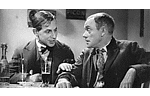
Szene mit Karl Valentin (rechts)
Diego Cremonesi in "Adiós Buenos Aires" (2023)
Antoñita Singla ("La Singla", 2023)
Gisa Flake, Christina Große (left to right) in "Sag Du es mir" (2019)
German movie poster of "Sag Du es mir" (2019)
Christina Große, Walid Al-Atiyat in "Sag Du es mir" (2019)
Gisa Flake, Christina Große (left to right) in "Sag Du es mir" (2019)
Edgar Költsch, Die Vorteile durch den Krieg für das Kinotheater, Der Kinematograph, 407, (1914), S. 11-12. Auch wenn es nicht so aussehe, habe das Kino durch den Krieg einen Aufschwung erlebt. Insbe...
Kriegsbilder-Revuen, Der Kinematograph, 419, (1915), S. 13. Die Aufnahmen, die das Volk vom Krieg zu sehen bekomme, seien oft nicht informativ genug, weil sie aus Zensurgründen gekürzt seien. Es sei...
Propaganda-Filme, Der Kinematograph, 571, (1917), S. 19-20. Deutsche Propagandafilme seien noch immer den feindlichen unterlegen. Man müsse zu denselben Waffen greifen, wie es die Feinde tun und die ...
Der deutsche Film für das Ausland, Der Kinematograph, 620, (1918). Es sei Aufgabe der deutschen Filmindustrie, den negativen Vorstellungen über Deutschland, die im Ausland im Krieg verbreitet worden...
Das Wichtigste der Woche, Der Kinematograph, 670, (1919), S. 25-26. Seit dem 2.11.1919 gebe es in Berlin eine freiwillige Filmzensur. Die USPD habe im Reichstag den Antrag gemacht, die Kinos zu versta...
Daily production report No. 6, 27 June 1961 on the shooting of "Operation Caviar".
Daily production report No. 16, 08 July 1961 on the shooting of "Operation Caviar".
Following parts had to be removed:1)Title 404: the words: "In Berlin kann so etwas nicht passieren" (In Berlin such things can not happen)2) Title 418: "Entschuldigen Sie! So etwas gibt es nicht in Be...