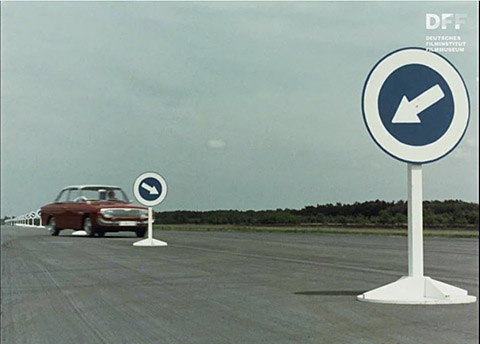
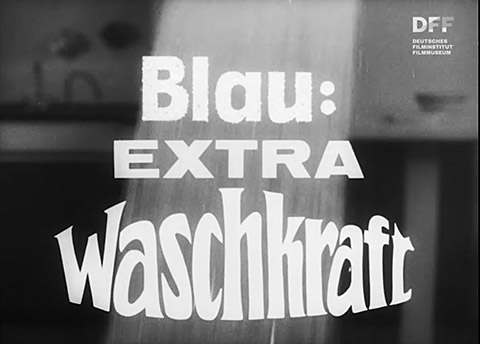
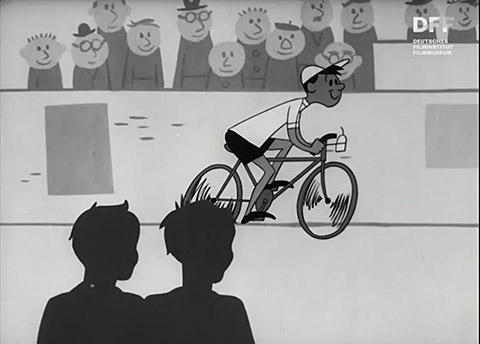
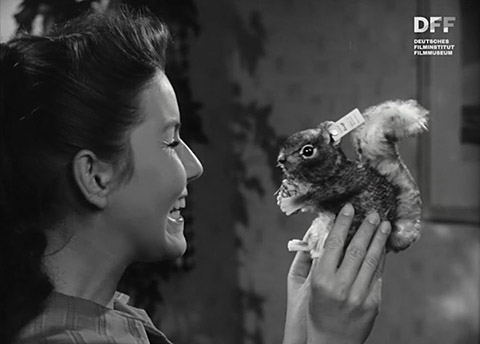
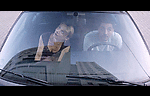
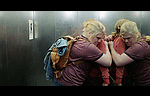
Spot Nr. 1 (00:36): NSU (Nr. 1 Beschleunigung in der Stadt): Drawing: cars waiting at traffic lights. „The traffic light fascinates the masses. We wait quietly and calmly. And whizzed away at the gr...
Spot Nr. 1 (00:34): POLAR Rum 68/1: A person dressed in fur jacket in snow flurry. „Winter time, polar time, grog time - time for Polar.“ The person is serving grog with Polar Rum. A elegantly dre...
Reel 1: In the introduction, the film separates the old and the new Bern. The old part: Münster cathedral, fountains, streets in the old town. The new part: Gymnasium Kirchenfeld, Hotel Savoy. 2nd p...
Spot Nr. 1 (00:37): VOLKSBANKEN "Lochkarte": A family photo is shown repurposed as a punch card. The stamps are reversed. With a zoom, the photo becomes a moving image showing the family happily toget...
Spot Nr. 1 (00:38): Togal (Nr. 1 Kater): Animation: Black cat with a hump, plus a shrill noise. Live action: A man lies in bed and wakes up with a headache, a „hangover“ (ger. Kater = cat). Behind...
Spot Nr. 1 (00:37): Adler (Nr. 1 musikalisch): A man at supper in a room asks, „Are you musical? Then why don't you sing along?“ He sings, with accordion accompaniment from off-camera, „Adler ch...
Spot Nr. 1 (00:36): SIEMENS / Bildmeister "Jahreszeiten": On the screen of a TV set, first text: „Evening after evening, year after year after year, color TV sets Siemens Bildmeister.“ Color pictu...
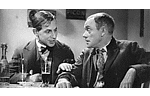
Szene mit Karl Valentin (rechts)
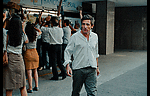
Diego Cremonesi in "Adiós Buenos Aires" (2023)
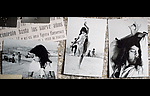
Antoñita Singla ("La Singla", 2023)
Gisa Flake, Christina Große (left to right) in "Sag Du es mir" (2019)
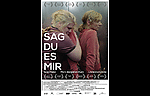
German movie poster of "Sag Du es mir" (2019)
Christina Große, Walid Al-Atiyat in "Sag Du es mir" (2019)
Gisa Flake, Christina Große (left to right) in "Sag Du es mir" (2019)
Edgar Költsch, Die Vorteile durch den Krieg für das Kinotheater, Der Kinematograph, 407, (1914), S. 11-12. Auch wenn es nicht so aussehe, habe das Kino durch den Krieg einen Aufschwung erlebt. Insbe...
Kriegsbilder-Revuen, Der Kinematograph, 419, (1915), S. 13. Die Aufnahmen, die das Volk vom Krieg zu sehen bekomme, seien oft nicht informativ genug, weil sie aus Zensurgründen gekürzt seien. Es sei...
Propaganda-Filme, Der Kinematograph, 571, (1917), S. 19-20. Deutsche Propagandafilme seien noch immer den feindlichen unterlegen. Man müsse zu denselben Waffen greifen, wie es die Feinde tun und die ...
Der deutsche Film für das Ausland, Der Kinematograph, 620, (1918). Es sei Aufgabe der deutschen Filmindustrie, den negativen Vorstellungen über Deutschland, die im Ausland im Krieg verbreitet worden...
Das Wichtigste der Woche, Der Kinematograph, 670, (1919), S. 25-26. Seit dem 2.11.1919 gebe es in Berlin eine freiwillige Filmzensur. Die USPD habe im Reichstag den Antrag gemacht, die Kinos zu versta...
Daily production report No. 6, 27 June 1961 on the shooting of "Operation Caviar".
Daily production report No. 16, 08 July 1961 on the shooting of "Operation Caviar".
Following parts had to be removed:1)Title 404: the words: "In Berlin kann so etwas nicht passieren" (In Berlin such things can not happen)2) Title 418: "Entschuldigen Sie! So etwas gibt es nicht in Be...