The video shows the first five minutes of the film. Film synopsis: One of the numerous world conferences that is mainly arranged for the amusement of its participants is taking place at Lugano′s hot...
Weekend Rebels Mirco hardly finds time for his family due to the stress of his job, which is why his wife Fatime takes care of baby Lucy and their ten-year-old son Jason practically on her own. This i...
The video shows the first five minutes of the film. Film synopsis: The film is set in 1802 and tells the story of Hans Bückler, called "Schinderhannes", who during the Napoleonic Wars, fought against...
The video shows the first five minutes of the film. Films from the National-Socialist period must be considered in the context of state-influenced production and reception. Further informations »
The video shows the first minutes of the film.
"Wenn der weiße Flieder wieder blüht" was digitized by DFF - Deutsches Filminstitut und Filmmuseum as part of the film heritage funding program "F...
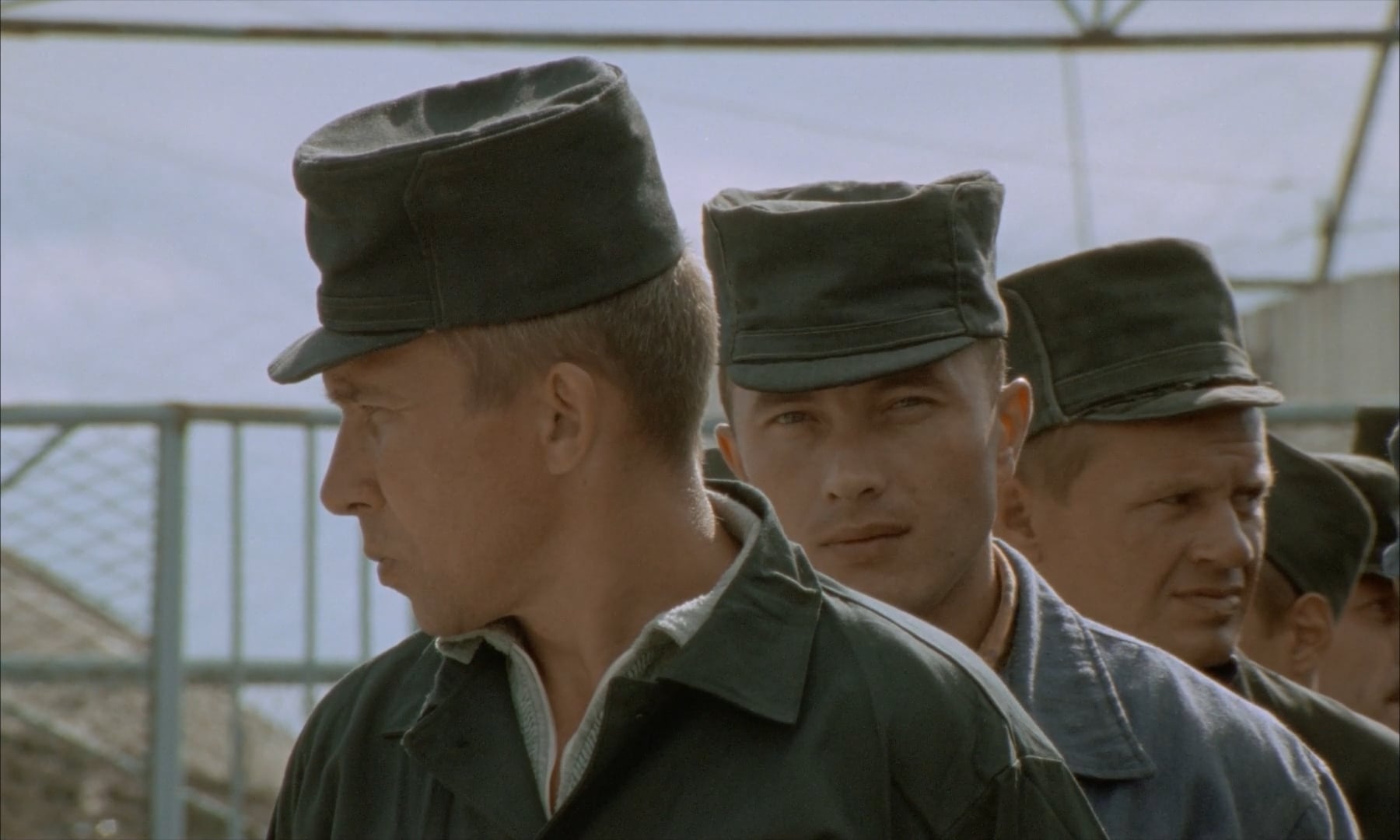
The video shows the first five minutes of the film.Film synopsis: Pelym is on the northern edge of the Urals, on the divide between Europe and Asia. With its 400-year-old history of banishment and enf...
The video shows the first five minutes of the film.
"Im Kampf mit der Unterwelt" was digitized by DFF – Deutsches Filminstitut & Filmmuseum as part of the film heritage funding program "Förder...
The video shows the first five minutes of the film.
"Im Kampf mit der Unterwelt" was digitized by DFF – Deutsches Filminstitut & Filmmuseum as part of the film heritage funding program "Förder...
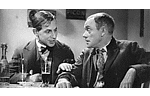
Szene mit Karl Valentin (rechts)
Diego Cremonesi in "Adiós Buenos Aires" (2023)
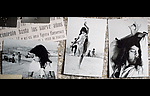
Antoñita Singla ("La Singla", 2023)
Gisa Flake, Christina Große (left to right) in "Sag Du es mir" (2019)
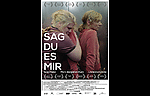
German movie poster of "Sag Du es mir" (2019)
Christina Große, Walid Al-Atiyat in "Sag Du es mir" (2019)
Gisa Flake, Christina Große (left to right) in "Sag Du es mir" (2019)
Edgar Költsch, Die Vorteile durch den Krieg für das Kinotheater, Der Kinematograph, 407, (1914), S. 11-12. Auch wenn es nicht so aussehe, habe das Kino durch den Krieg einen Aufschwung erlebt. Insbe...
Kriegsbilder-Revuen, Der Kinematograph, 419, (1915), S. 13. Die Aufnahmen, die das Volk vom Krieg zu sehen bekomme, seien oft nicht informativ genug, weil sie aus Zensurgründen gekürzt seien. Es sei...
Propaganda-Filme, Der Kinematograph, 571, (1917), S. 19-20. Deutsche Propagandafilme seien noch immer den feindlichen unterlegen. Man müsse zu denselben Waffen greifen, wie es die Feinde tun und die ...
Der deutsche Film für das Ausland, Der Kinematograph, 620, (1918). Es sei Aufgabe der deutschen Filmindustrie, den negativen Vorstellungen über Deutschland, die im Ausland im Krieg verbreitet worden...
Das Wichtigste der Woche, Der Kinematograph, 670, (1919), S. 25-26. Seit dem 2.11.1919 gebe es in Berlin eine freiwillige Filmzensur. Die USPD habe im Reichstag den Antrag gemacht, die Kinos zu versta...
Daily production report No. 6, 27 June 1961 on the shooting of "Operation Caviar".
Daily production report No. 16, 08 July 1961 on the shooting of "Operation Caviar".
Following parts had to be removed:1)Title 404: the words: "In Berlin kann so etwas nicht passieren" (In Berlin such things can not happen)2) Title 418: "Entschuldigen Sie! So etwas gibt es nicht in Be...