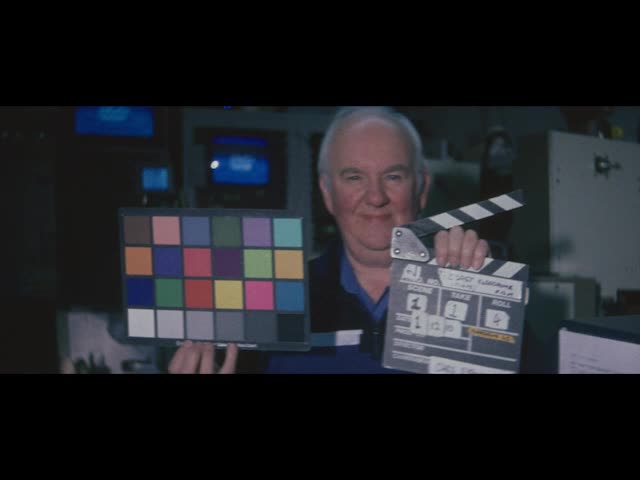
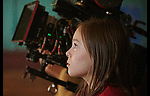
Footage of Scottish cinemas, including staff at work in projection rooms, shot on Kodachrome 16mm film stock just before Kodachrome processing was discontinued worldwide.
A short film, with scenes of Athens and the Parthenon. This material was added to an older, American movie, and was shown as a Greek film.
This is a two-act film which was presented as “audio” in the cinema, since the film was accompanied by a device producing sound and music, one of Joseph Hepp’s own inventions.
A shinty match in the Highlands between Kingussie v Newtonmore on 3rd February, 1934 which was abandoned nine minutes from the end, due to spectators rushing onto field after a dispute with the linesm...
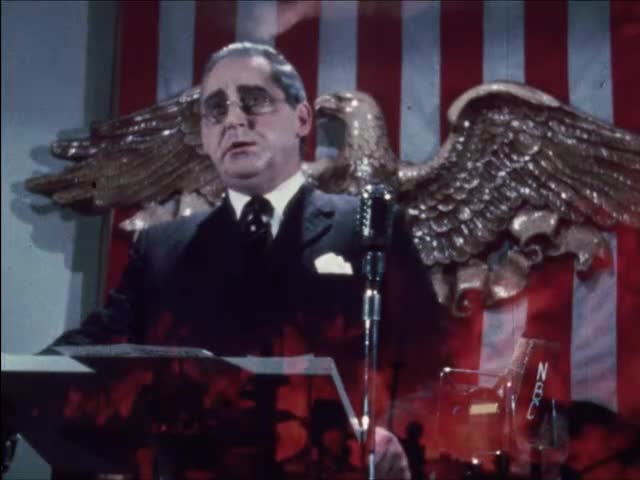
Film depicting the dramatic reconstruction of the Japanese attack on Pearl Harbour. It was made entirely with home-built models and special effects, and won the 1979 'Ten Best' award from 'Movie Make...
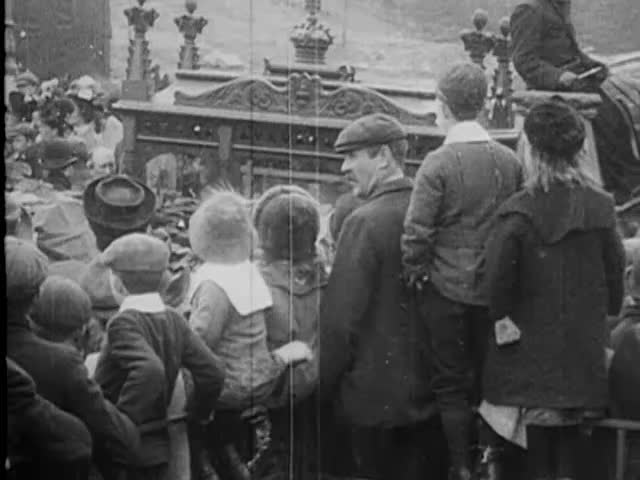
The funeral of George Biddall. Biddall's circus travelled the country. The most famous part of their show was the "Biddall's Ghost Illusion", which gave the impression of pictures moving. When Geor...
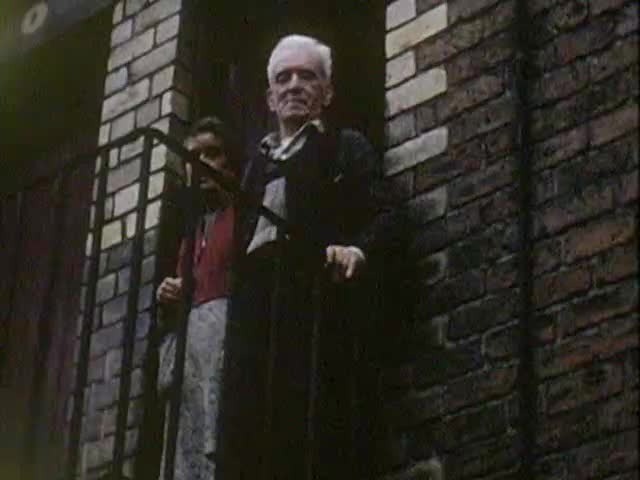
Amateur film shot on 8mm between 1962 and 1965 by local resident Joe Griffiths showing the daily life of the Lanarkshire mining village of Bothwellhaugh. The village which served the Hamilton Palace ...
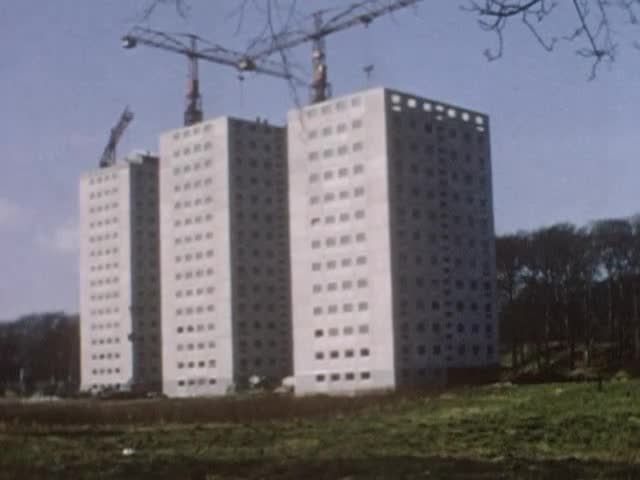
The construction of three multistorey housing units at Trottick, Dundee, by Bett-Bison in the 1960s. The housing was of an experimental nature in terms of its reliance on prefabricated parts and its ...
"Morgen, Findus, wird"s was geben" (2005/06)
Sandra Nettelbeck while shooting "Was uns nicht umbringt" (2018)
"Schilf - Alles, was denkbar ist, existiert" (2011/12)
Hans-Christian Schmid on the set of "Was bleibt" (2012)
Holger Haase on the set of "Da geht noch was" (2012/13)
Ava Petsch while shooting "Was man von hier aus sehen kann" (2022)
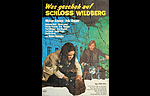
German movie poster of "Sie nannten ihn Krambambuli" ("Was geschah auf Schloss Wildberg", 1971/72)
a part of the feast was also a theatre performance
The Danish film journal FILMEN was published in the period 1912-1919 (24 issues per year). First published under the name "A/S Kinografen", then from 1913 under the name "Association of Cinema Theatre...
6 scenes had to be removed, which refer to the contracts of Versailles (after World War I), when Germany lost several parts of its territory. After the cuts the film was permitted to young people unde...
One scene had to be cut out: Vivian lying on the chaise longue welcoming the young Cox (titles number 101-113). After this shortage the film was permitted to young people under 16 years.
Film distributing company applies for new censoring of the film "Stíny londýnských nocí". The film was qualified for public screening - ban for young people, exclusion of scenes and dialogues.
The provincial governments of Baden and Prussia applied for revocation of permissionof the film "Das gottlose Mädchen" at the censorship headquarter in Berlin. The application was rejected but the ce...
The production company "Alhambra Film G.m.b.H., Berlin" applied against the ban of the film "Doppelehe (Der Bigamieskandal eines Millionärs)" at the censorship headquarter in Berlin. The application ...