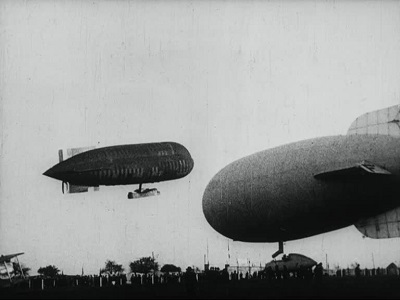
International newsreel with ten different elements, among them a fashion show in Paris, followed by different shows and demonstrations of airship, planes, motorcycles, cars, tractors and other farm ma...
The film shows a gathering in the city of Lillehammer in Norway by farmers from Gudbrandsdalen. We also visit several places in Gudbrandsdalen before returning to the farmers' association's gathering ...
The film shows a football match, probably an international match, on the newly opened football field Gressbanen in Oslo. Some private family shots follow the football scenes.
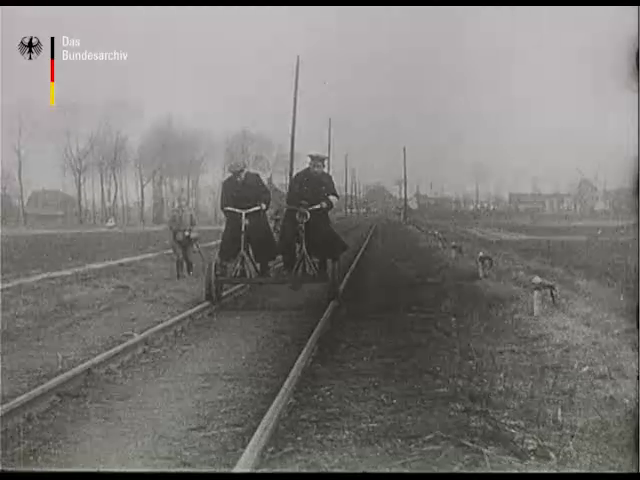
01. Zwischentitel: Berlin: Erbeutete Pferde, welche für das Heer nicht brauchbar sind, werden versteigert. Bild: Pferde werden vor der Versteigerung begutachtet. 02. Zwischentitel: Russland: Wirkun...
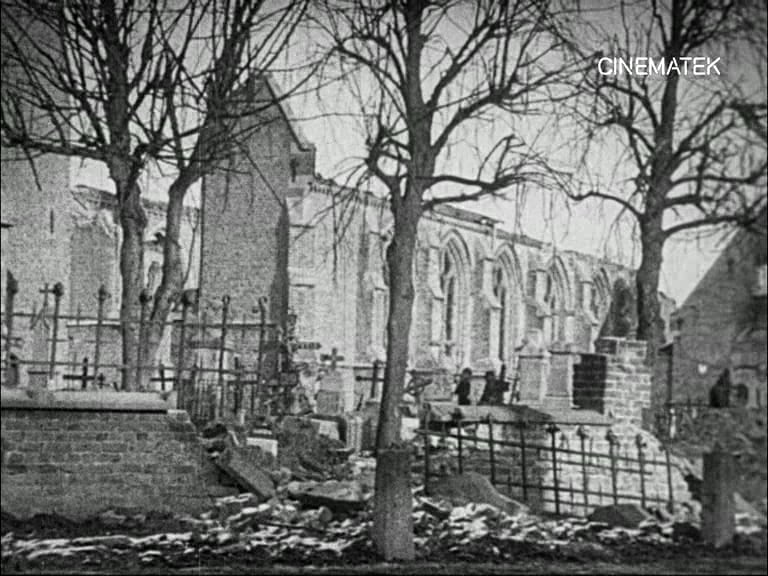
Various news items about the First World War, compiled for home projection. Optimism and emphasis on international collaboration, remains preserved and the more gruesome or embarrassing war images wer...
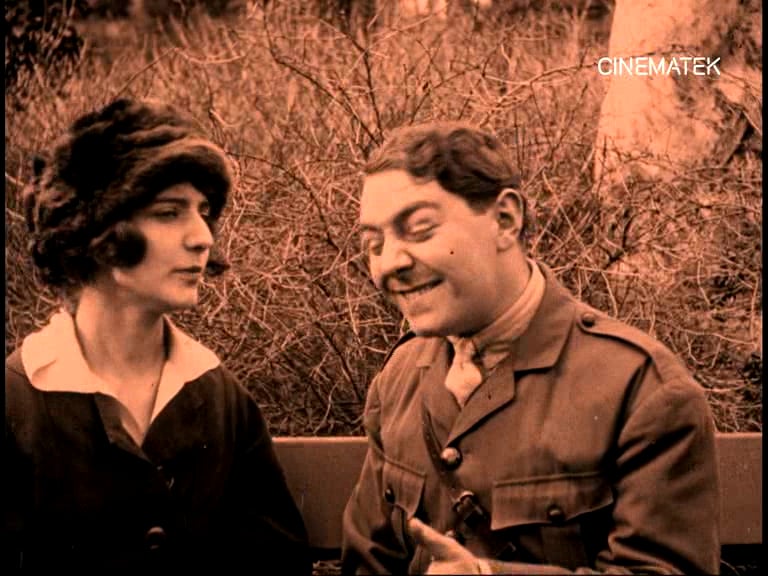
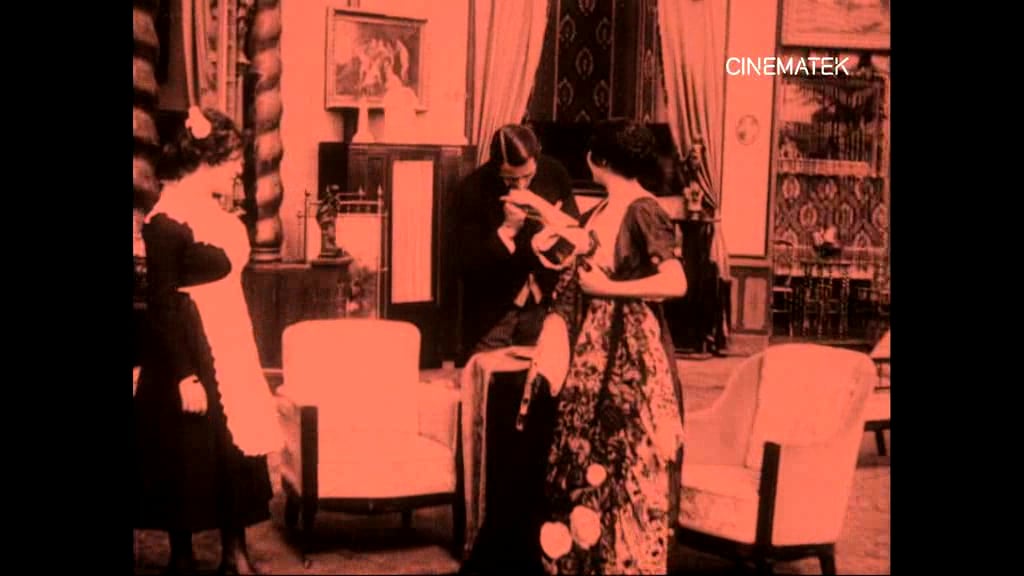
Georges Lordier would direct more than 300 songs on film. Here about a soldier, falling in love with a girl. He flirts with her and later, on his room, he dreams about her while writing a letter.
An unidentified (and unfortunately incomplete) exotic melodrama, tends towards De Mille's The Cheat. Considered by specialists as a German film.
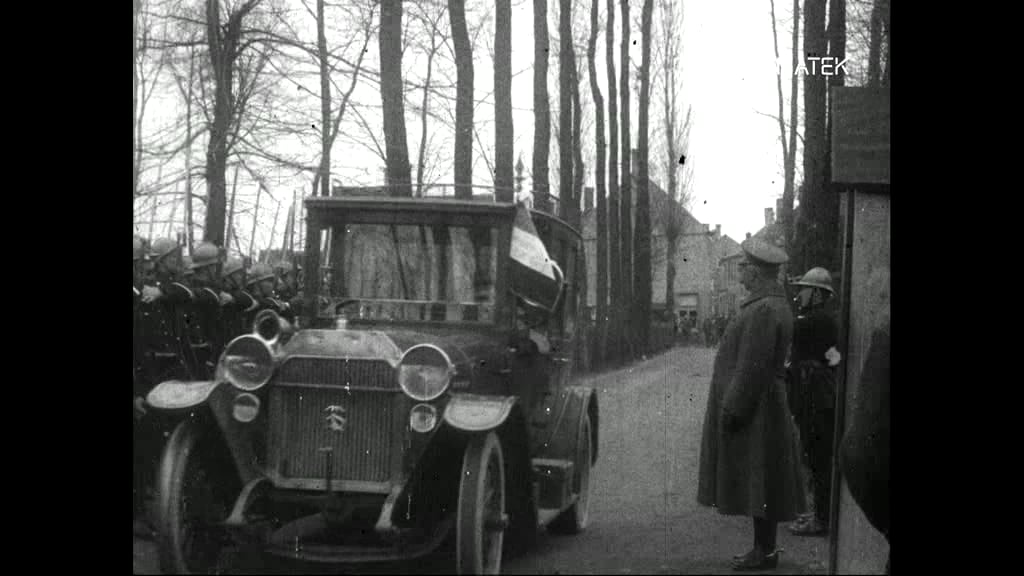
Newsreel item on the visit of the French statesman Georges Clémenceau, visiting the frontlines in Belgium.
Newsreel item on the visit of the French statesman Georges Clémenceau, visiting the fr...
Still with Colette Corder (front, in the middle)
Ossi Oswalda, Julius Dewald
Still from "Die rätselhafte Sphinx"
Still from "Der Schwur der Renate Rabenau"
Still from "Störe nicht die Flitterwochen"
Still with Carl de Vogt (on the left, sitting)
Still with Carl Clewing (front, on the left)
Still from "Die Topharmumie"
Neuheiten auf dem Berliner Filmmarkte, Der Kinematograph, 418, (1914), S. 27-35.
Presse-Stimmen über das Filmwerk Tirol in Waffen, Das Lichtbildtheater, 6.Jg., Nr.10, (1914).
Urteil über "Tirol in Waffen", Das Lichtbildtheater, 6.Jg, Nr.10, (1914). Rezension, die den pädagogischen Wert des Filmes unterstreicht. Jeder Deutsche solle diesen Film gesehen haben. Unterzeichne...
Traugott Schalcher, Die neue Generation, Das Lichtbildtheater, 6.Jg, Nr.22, (1914). Der Artikel berichtet von der Selbstverständlichkeit, mit der das Kino als Medium in der jungen Generation angenomm...
Traugott Schalcher, Patriotische Films und Filmpatrioten, Das Lichtbildtheater, 6.Jg, Nr.30, (1914). Bericht darüber, dass in Frankreich patriotische Filme einen Aufschwung erleben würden, während ...
O.Th. Stein, Kinematographische Kriegsberichterstattung, Film und Lichtbild, 3, (1914), S. 42-44. Der Film wird als sensationell bewertet, der Produzentenfirma Expreß-Films wird angeraten, diesen Weg...
O.Th. Stein, Ausländerei im Film, Film und Lichtbild, 4, (1914), S. 50-52. Der Artikel beklagt die herausragende Stellung französischer Firmen, auch bei der Erstellung von Aufnahmen, die deutsche Na...
Hermann Häfker, Kinematographie und Krieg, Bild & Film. Zeitschrift für Lichtbilderei und Kinematographie, IV,1, (1914/1915), S. 1-3. Der Krieg sei der Sache der Kinoreform förderlich, weil die aus...